Why Helmets Matter in Preventing Serious Injuries During Bicycle Accidents in Palm Harbor
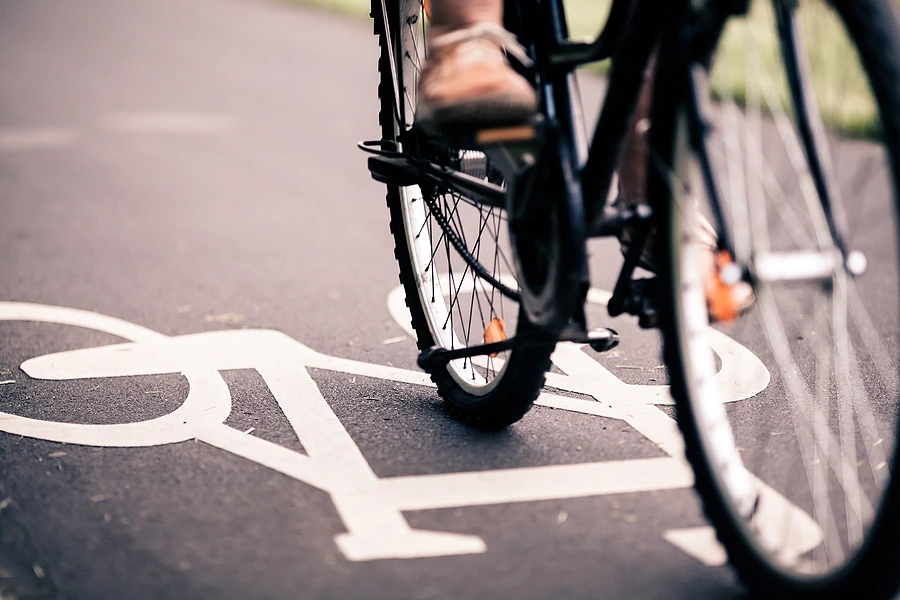
Bicycling is a popular way to commute, exercise, and enjoy Florida’s outdoor environment. In Palm Harbor, cyclists share the road with passenger vehicles, delivery trucks, and commercial traffic on busy streets and residential roads alike. While bicycles offer flexibility and freedom, they also expose riders to significant risks during crashes. One of the most effective tools for reducing the severity of injuries in these accidents is the bicycle helmet.
Helmets do not prevent collisions, but they play a critical role in limiting the damage when a crash occurs. Understanding how helmets protect riders, how Florida law treats helmet use, and how helmet issues can affect personal injury claims is important for cyclists and their families.
Why Bicycle Accidents Often Lead to Head Injuries
Bicycle accidents frequently result in head trauma because riders lack the structural protection that motor vehicles provide. Unlike drivers, cyclists are fully exposed. When a collision occurs, the rider may be thrown onto pavement, into a vehicle, or against fixed objects such as curbs or poles.
Head injuries can occur even at relatively low speeds. A sudden stop or loss of balance can cause the rider’s head to strike the ground with significant force. In Palm Harbor, uneven road surfaces, construction zones, and distracted driving further increase the likelihood of falls and impacts.
Without protection, the skull absorbs the force of the collision. This can lead to concussions, skull fractures, or traumatic brain injuries that may have long-term consequences.
How Bicycle Helmets Are Designed to Protect Riders
Bicycle helmets are engineered to absorb and distribute impact energy. The outer shell is designed to crack or deform, while the inner foam liner compresses to reduce the force transmitted to the skull and brain.
This process helps slow the movement of the head during impact. By reducing sudden acceleration or deceleration, helmets lower the risk of severe brain injury. While no helmet can eliminate all risk, studies consistently show that helmet use significantly reduces the likelihood of fatal and serious head injuries.
Proper fit also matters. A helmet that sits level on the head and is securely fastened provides better protection than one that is loose or improperly positioned.
Common Types of Injuries Helmets Help Prevent
Helmets are particularly effective in reducing injuries related to direct head impact. These include concussions, which can affect memory, concentration, and mood. More severe outcomes such as intracranial bleeding or permanent brain damage are also less likely when a helmet is worn.
Facial injuries may still occur, but helmets often reduce the overall severity of trauma. In many cases, the difference between a minor injury and a life-altering condition is whether the rider’s head was protected at the moment of impact.
In Palm Harbor, where cyclists may ride near traffic-heavy areas or on shared-use paths, this protection is especially important.
Florida Bicycle Helmet Laws and What They Require
Florida law requires bicycle helmets for riders under the age of 16. For adults, helmet use is not legally mandated. However, the absence of a legal requirement does not mean helmets are unnecessary or unimportant.
From a safety perspective, helmets offer benefits regardless of age. From a legal standpoint, helmet use can become a topic of discussion after an accident, especially when injuries involve the head or brain.
Insurance companies may attempt to argue that an injured cyclist contributed to their own injuries by not wearing a helmet. Understanding how this argument works is important for anyone pursuing a personal injury claim.
Helmet Use and Comparative Fault in Florida
Florida follows a comparative fault system. This means that fault for an accident can be divided among multiple parties. In bicycle accident cases, insurers sometimes claim that a cyclist’s injuries would have been less severe if a helmet had been worn.
While this argument does not automatically prevent recovery, it may be used to reduce compensation. The key issue is whether helmet use would have prevented the accident itself or merely affected the extent of injuries.
An experienced personal injury attorney can challenge these arguments by focusing on the actions of the driver or other responsible parties and the true cause of the collision.
Why Drivers Are Often at Fault in Bicycle Accidents
Many bicycle accidents in Palm Harbor occur because drivers fail to see cyclists or do not respect their right to share the road. Common causes include distracted driving, failure to yield, unsafe passing, and speeding.
Even when a cyclist is wearing a helmet, these behaviors can result in serious injuries. Helmets reduce harm, but they do not excuse negligent driving. Liability often rests with the motorist whose actions caused the crash.
Establishing fault requires careful investigation, including reviewing traffic laws, witness statements, and any available video or physical evidence.
The Long Term Impact of Head Injuries
Head injuries can affect far more than physical health. Cognitive changes, emotional difficulties, and behavioral issues may follow a bicycle accident involving head trauma. Some individuals experience ongoing headaches, sleep problems, or difficulty returning to work.
For families, these injuries can create financial strain due to medical expenses, rehabilitation costs, and lost income. When a helmet reduces the severity of an injury, it can also reduce the long-term impact on the injured person’s life.
This reality underscores why helmet use is encouraged by medical professionals and safety advocates alike.
Choosing the Right Helmet for Everyday Riding
Not all helmets offer the same level of protection. Riders should look for helmets that meet recognized safety standards and are appropriate for their type of riding. Proper fit is essential. A helmet should sit snugly without wobbling and should not tilt backward or forward.
Replacing helmets after a crash is also important. Even if damage is not visible, the internal structure may be compromised. A helmet designed to absorb one impact may not protect effectively in a second incident.
Education about proper helmet use can play a role in injury prevention across the Palm Harbor cycling community.
How Helmet Use Affects Personal Injury Claims
In a personal injury case, helmet use is just one factor among many. While insurers may raise the issue, it does not eliminate the responsibility of negligent drivers or other parties.
Medical records, accident reconstruction, and expert testimony can help demonstrate the true cause of injuries and the role helmet use played. In many cases, the focus remains on unsafe driving behaviors rather than protective equipment choices.
A personal injury lawyer can help ensure that arguments about helmets do not overshadow the facts of the accident.
Encouraging Safer Cycling in Palm Harbor
Improving cyclist safety involves more than individual choices. Road design, signage, and public awareness all play a role. Encouraging helmet use is one step, but drivers must also remain alert and respectful of cyclists.
Local efforts to improve bike lanes, reduce speed limits in shared areas, and educate the public can help reduce accidents overall. When fewer collisions occur, fewer injuries follow.
For now, helmets remain one of the most accessible and effective tools riders have to protect themselves.
Conclusion
Bicycle helmets matter because they reduce the risk of serious and life-altering injuries. In Palm Harbor, where cyclists navigate a mix of residential streets and busy roadways, wearing a helmet is a practical safety measure.
From a legal perspective, helmet use can influence how injuries are evaluated, but it does not determine who is at fault for an accident. Riders injured due to another party’s negligence still have the right to seek compensation.
Understanding the safety benefits of helmets and the legal issues surrounding bicycle accidents helps riders make informed decisions and protects their interests if an accident occurs.