Truck Accident Lawyer Florida
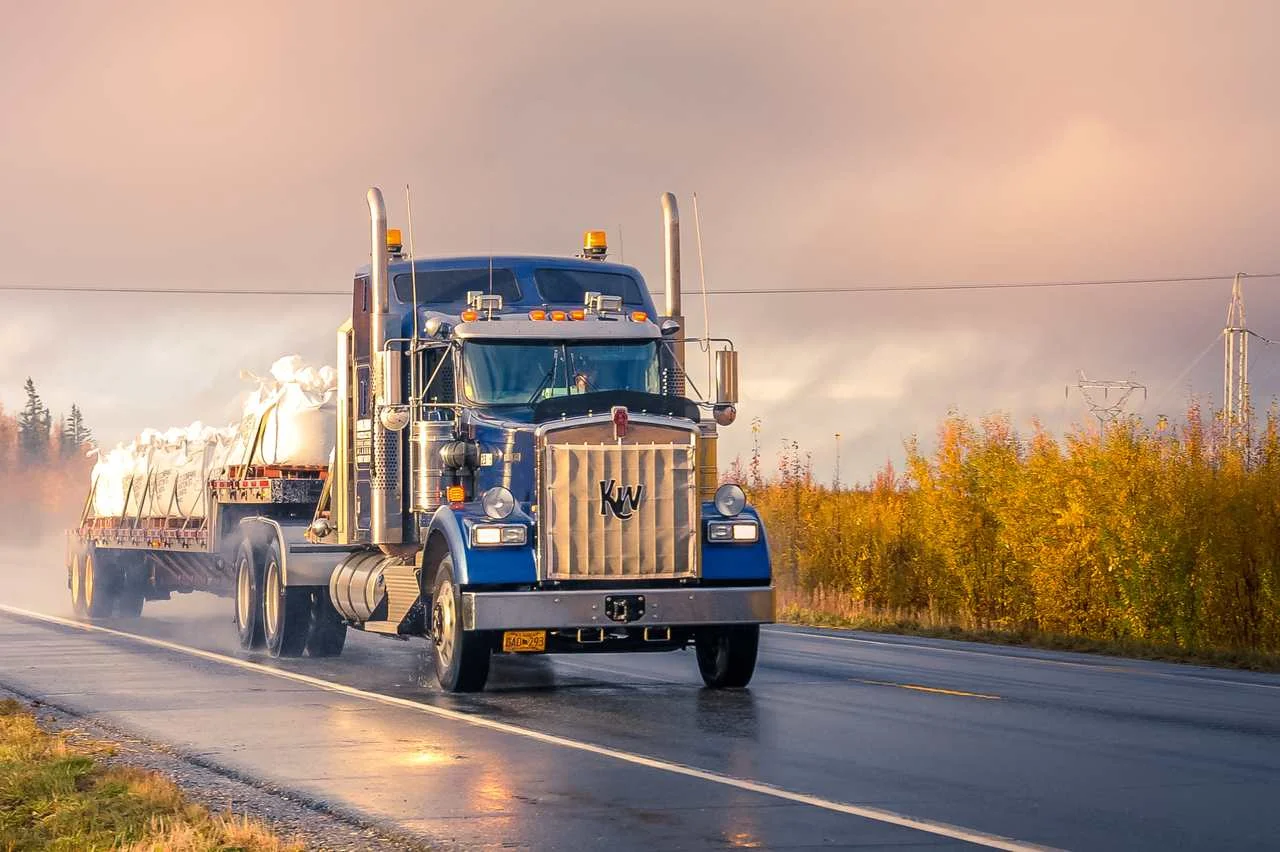
Crashes involving large trucks often have devastating results because of the size and weight difference between a commercial vehicle and a passenger car. At Emerson Straw Wrongful Death Lawyers, we help families investigate whether a truck driver, trucking company, or other party caused a fatal collision. As a truck accident lawyer Florida families can turn to after a loss, we look at federal safety rules, company practices, and the records that carriers keep. Many truck cases raise the same questions found in fatal crashes between passenger vehicles, along with added layers of commercial regulation. Freight moving through Florida’s seaports, including Port Tampa Bay and JAXPORT in Jacksonville, keeps nearby highways busy with tractor-trailers. Contact us at +1 727-619-2948 for a free consultation.
How Florida Truck Crashes Lead to Wrongful Death Claims
Truck crash claims combine Florida negligence law with federal and state rules for commercial vehicles. These rules govern how long drivers may work, how trucks must be maintained, and how cargo must be secured. Violations of these rules can be important evidence in a wrongful death claim.
Driver Fatigue and Hours-of-Service Rules
The Federal Motor Carrier Safety Administration limits how many hours commercial drivers may drive and work before taking required breaks. These hours-of-service rules are designed to reduce crashes caused by fatigue. Under section 316.302 of the Florida Statutes, Florida has adopted many federal safety regulations for commercial vehicles operating in the state.
Electronic logging devices record driving time for most interstate carriers, and these records can show whether a driver exceeded legal limits. Delivery schedules, fuel receipts, and toll records may also help reconstruct the driver’s day. Comparing these sources can reveal gaps or inconsistencies in the driver’s records. When a company pressures drivers to meet unrealistic deadlines, it may share responsibility for a fatigue-related crash.
Maintenance, Cargo, and Equipment Failures
Brake failures, worn tires, and faulty lights can make a truck dangerous even when the driver acts carefully. Federal rules require carriers to inspect and maintain their vehicles and to keep records of that work. Missing or incomplete maintenance records can raise serious questions about how a company managed its fleet.
Improperly loaded or secured cargo can shift during turns or braking, causing a truck to jackknife or roll over. Loading companies and shippers may share responsibility when their practices contributed to the crash. Florida’s agricultural and construction industries put many heavy loads on rural roads and highways, which can add to these risks.
Truck Size, Blind Spots, and Stopping Distance
A fully loaded tractor-trailer can weigh as much as 80,000 pounds, far more than a typical passenger vehicle. That weight means trucks need much more distance to stop, especially on rain-slicked Florida highways during summer storms. Following too closely or speeding in traffic can leave a truck driver unable to avoid a collision.
Large trucks also have significant blind spots on all four sides, which drivers must account for when changing lanes or turning. Wide right turns can trap smaller vehicles between the truck and the curb. Training records can show whether a driver was taught to manage these risks properly. The condition of underride guards on the trailer may also be examined when a smaller vehicle slides beneath a truck.
Identifying Responsible Parties and Preserving Evidence
Truck crash claims frequently involve more than one company and large amounts of electronic data. Acting early can help protect evidence that might otherwise be lost. The following topics explain issues that often arise in these cases.
Trucking Companies and Other Defendants
A trucking company may be responsible for a driver’s negligence when the driver was working within the scope of employment. Companies may also be directly responsible for negligent hiring, training, or supervision, such as keeping a driver with a poor safety record on the road. Leasing arrangements and independent contractor agreements can complicate who is responsible, so contracts often need careful review.
Other potential parties may include the truck’s owner, a maintenance shop, a parts manufacturer, or the company that loaded the cargo. Each party may carry its own insurance, which can affect the total coverage available. Identifying all of them early can prevent important claims from being overlooked. Some of these companies may be based outside Florida, which can affect where and how the claim is filed.
Electronic Data and Company Records
Many commercial trucks have engine control modules that record speed, braking, and other data around the time of a crash. Fleet tracking systems, dash cameras, and dispatch communications may provide additional information. Some of this data can be overwritten or lost if it is not preserved promptly.
Families can ask the trucking company to preserve evidence through a written preservation letter soon after the crash. Federal rules also require carriers to keep certain records, such as driver qualification files and inspection reports, for set periods. When a company fails to preserve important evidence, courts may allow remedies in some situations.
Public Safety Records on Carriers
The Federal Motor Carrier Safety Administration publishes safety information about many interstate carriers, including inspection results and crash history. These records can show whether a company had a pattern of violations before the crash. They may also reveal whether the carrier was properly registered at the time. Carriers that operate only within Florida may be subject to state requirements as well.
Roadside inspections by the Florida Highway Patrol’s commercial vehicle enforcement officers may also produce useful records. Post-crash inspections can document mechanical problems that contributed to the collision. Comparing these records with the company’s own files can help show whether problems were known and ignored.
Call a Truck Accident Lawyer Florida Families Turn To
A fatal truck crash can leave your family facing large companies and their insurers while you are still grieving. At Emerson Straw Wrongful Death Lawyers, we review the evidence promptly and explain how Florida law and federal trucking rules may apply to your claim. As a truck accident lawyer Florida families can rely on, we understand the dangers on heavy freight routes such as I-10 between Jacksonville and Pensacola and US-27 through the state’s agricultural interior. Learn more about our Florida truck accident lawyers and how we approach these cases. Call +1 727-619-2948 to schedule a free consultation and learn about your options.