Nursing Home Abuse Lawyer Florida
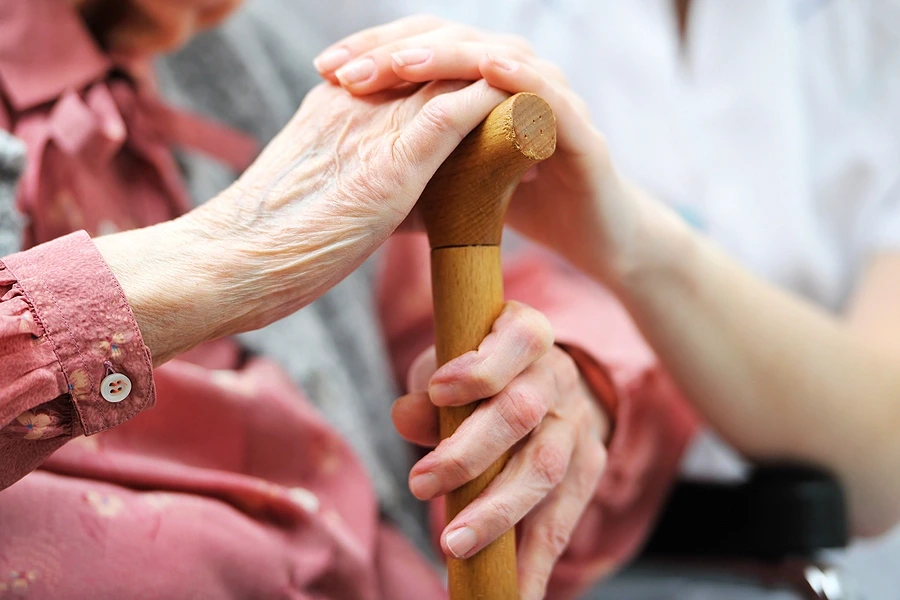
Families place loved ones in nursing homes expecting safe, attentive care, and a death caused by abuse or neglect can feel like a profound betrayal of that trust. At Emerson Straw Wrongful Death Lawyers, we help families look into whether a facility’s actions or failures contributed to a resident’s death. As a nursing home abuse lawyer Florida families can rely on for honest guidance, we review care records, staffing concerns, and the timeline of a resident’s decline. Some of these cases also involve medical errors by physicians or hospital staff who treated the resident outside the facility. Nursing homes across Florida are licensed and inspected by the state’s Agency for Health Care Administration. Call +1 727-619-2948 for a free consultation.
Signs That Neglect May Have Contributed to a Resident’s Death
Many nursing home deaths result from neglect that develops gradually rather than from a single event. Warning signs may appear in the resident’s health, behavior, or care records long before the death. Recognizing these patterns can help families decide whether the facility’s care deserves a closer review.
Pressure Injuries and Untreated Infections
Pressure injuries, sometimes called bedsores, form when a resident stays in one position too long without being moved or properly cared for. Many of these injuries can be prevented with regular repositioning, skin checks, and good nutrition, so advanced pressure injuries may raise questions about the level of care provided. When left untreated, these wounds can lead to serious infections that may contribute to death.
Other infections, including urinary tract infections and pneumonia, may also become dangerous when staff fail to notice symptoms or report them to a physician. Residents with dementia may not be able to explain how they feel, which places more responsibility on staff to watch for changes. Delays in transferring a resident to a hospital are often an important part of the review in these cases.
Falls, Wandering, and Inadequate Supervision
Residents who are at high risk of falling usually need a care plan that addresses mobility, supervision, and assistance with daily activities. When a facility fails to follow that plan, a resident may fall and suffer a head injury or fracture that leads to death. Understaffing, slow responses to call lights, and missing bed or chair alarms are among the issues that may come up in these cases.
Residents with memory impairment may also wander away from a facility when doors, alarms, and supervision are inadequate. A resident who leaves unnoticed may face traffic, extreme heat, or the retention ponds and canals found in many Florida communities. Incident reports, staffing schedules, and the resident’s care plan can help show whether the facility took reasonable steps to prevent the event.
Malnutrition, Dehydration, and Medication Problems
Residents who need help eating and drinking depend on staff to make sure they receive enough food and fluids each day. Unexplained weight loss, new confusion, and repeated hospital visits for dehydration may indicate that this basic care was not provided. Florida requires nursing homes to maintain emergency power plans so residents can be kept at safe indoor temperatures during outages, which matters in a state with long, hot summers.
Medication errors are another serious concern in long-term care. Giving the wrong drug, skipping doses, or overusing sedating medications can harm a resident, particularly one with several health conditions. Medication administration records can help families and their legal team compare what was prescribed with what the resident actually received.
Florida Protections for Nursing Home Residents
Florida law gives nursing home residents specific rights and creates a path for families to hold facilities accountable when those rights are violated. State agencies also collect information that may help families understand a facility’s history. These protections work alongside the Florida Wrongful Death Act when a resident dies.
The Residents’ Rights Law
Section 400.022 of the Florida Statutes lists rights that every nursing home resident holds, including the right to adequate and appropriate health care and protective and support services. Residents also have the right to be free from mental and physical abuse and from unnecessary physical and chemical restraints. These rights apply in licensed nursing homes throughout the state.
Section 400.023 allows a resident or, after a death, the personal representative of the estate to bring a claim when a facility violates these rights. When negligence or a rights violation causes a resident’s death, the claimant generally must choose between survival damages and wrongful death damages. That choice can affect the types of recovery available, so it deserves careful attention early in the case.
State Oversight and Public Records
The Agency for Health Care Administration conducts nursing home inspections and investigates complaints in addition to issuing licenses. Inspection reports and enforcement actions can reveal whether a facility had prior problems with staffing, infection control, or resident safety. This history does not prove what happened to a particular resident, but it can point to patterns worth investigating.
Families with concerns can also contact the Florida Long-Term Care Ombudsman Program, which advocates for residents and works to resolve complaints. Suspected abuse, neglect, or exploitation of a vulnerable adult can be reported to the Florida Abuse Hotline operated by the Department of Children and Families. Reports made to these agencies may lead to investigations that produce useful records for a later claim.
Presuit Steps for Claims Against Facilities
Before filing a lawsuit against a Florida nursing home, a claimant generally must serve a notice of intent on the facility by certified mail. After notice is served, Florida law provides a presuit investigation period of 75 days, during which the facility may review the claim and respond. The statute of limitations is generally paused during this period, which can affect how filing deadlines are calculated.
Nursing home claims often require reviewing large volumes of records, including nursing notes, care plans, medication records, and incident reports. Staffing records may also be important, since Florida sets minimum staffing standards for nursing homes. Organizing this information early can help families meet presuit deadlines without rushing the review.
Contact a Nursing Home Abuse Lawyer Florida Families Can Trust
Your family trusted a facility to care for someone you love, and you deserve to know whether that trust was broken. At Emerson Straw Wrongful Death Lawyers, we review nursing home records carefully and explain the options Florida law may provide after a resident’s death. As a nursing home abuse lawyer Florida families can call with hard questions, we understand the concerns that come with long-term care facilities serving older adults in communities from Tallahassee to Fort Myers. Learn more about our Florida nursing home abuse lawyers and how we help grieving families. Call +1 727-619-2948 today to arrange a free consultation.