Slip and Fall Lawyer Florida
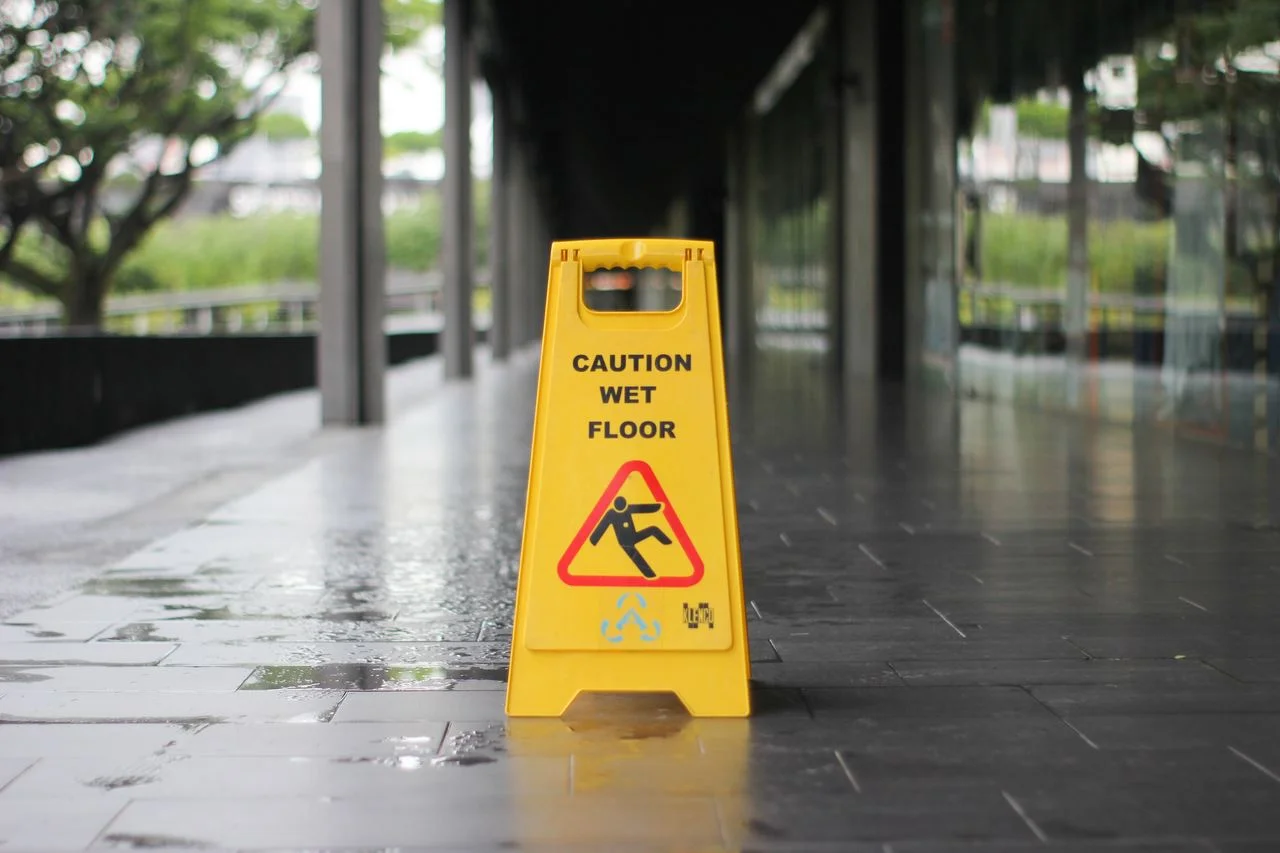
A fall that seems minor at first can sometimes lead to a fatal injury, especially for older adults. At Emerson Straw Wrongful Death Lawyers, we help families understand whether a property owner’s carelessness may have played a role in a loved one’s death. As a slip and fall lawyer Florida families can contact after a sudden loss, we look at how the fall happened, what the property owner knew, and whether a claim may be available. Some fatal falls happen in nursing homes and other long-term care facilities, where fall prevention is part of the care residents should receive. Florida’s many condominium towers, resort hotels, and shopping centers draw large numbers of visitors every day. Call +1 727-619-2948 to book a free consultation.
Fatal Falls and Property Owner Responsibility in Florida
Florida property owners and businesses have a duty to keep their premises reasonably safe for visitors. When they fail to address hazards they knew or should have known about, a fall may lead to injuries severe enough to cause death. The following topics explain why these falls happen and how the law approaches them.
Why Some Falls Become Fatal
Falls are a leading cause of injury death among older adults, according to the Centers for Disease Control and Prevention. Head injuries and hip fractures are among the most serious outcomes, and complications after a fracture can contribute to death in the weeks or months that follow. Medications that thin the blood or affect balance can make the effects of a fall more severe.
Because Florida is home to a large population of retirees and seasonal residents, fall-related deaths are a serious concern in stores, condominiums, and other public spaces across the state. A delayed death can make the connection between the fall and the outcome harder to see at first. Medical records from the time of the fall through the date of death are often needed to show how the injury led to the decline.
Common Locations for Dangerous Falls
Deadly falls may happen in grocery stores, restaurants, hotels, apartment complexes, parking garages, and office buildings. Pool decks are common in Florida condominiums, hotels, and residential communities, and wet surfaces around them can create slipping hazards. Stairways with broken handrails, uneven steps, or poor lighting are also frequent sources of serious falls.
Outdoor hazards can be just as dangerous as indoor ones. Cracked sidewalks, potholes in parking lots, and unmarked changes in elevation may cause a person to trip, particularly at night. When the property belongs to a city, county, or state agency, special notice rules and limits apply to any claim.
Visitor Status and the Duty of Care
Florida law generally recognizes different categories of visitors, and the property owner’s duty depends on why the person was on the property. Business invitees, such as customers in a store, are owed a duty to keep the premises reasonably safe and to warn of concealed dangers the owner knew or should have known about. Invited social guests in a private home are generally owed a similar level of care under Florida law.
Trespassers are owed a much more limited duty, which generally involves avoiding intentional harm and, in some situations, warning of known dangers. Uninvited licensees, such as a person who enters for their own convenience, fall between these categories. Determining the visitor’s status is often one of the first steps in evaluating whether a fatal fall claim may move forward.
Proving What the Property Owner Knew
Many fatal fall claims turn on what the property owner knew about the hazard before the fall. Florida law places specific requirements on how this knowledge is proven in some cases. Evidence gathered soon after the fall is often the most useful in meeting those requirements.
Florida’s Transitory Substance Rule
When a person slips on a transitory foreign substance in a business establishment, such as a spilled drink or a puddle of water, section 768.0755 of the Florida Statutes requires proof that the business had actual or constructive knowledge of the condition. Actual knowledge means the business knew about the hazard, often because an employee saw it or was told about it. Constructive knowledge may be shown by evidence that the condition existed long enough that the business should have discovered it, or that similar conditions occurred regularly and were foreseeable.
Meeting this standard can be difficult when the person who fell can no longer describe what happened. Family members may need to rely on employees, other customers, and physical evidence to establish how long the substance was on the floor. Details such as footprints, cart tracks, or dried edges on a spill may help show that the hazard had been present for some time.
Video Footage, Maintenance Logs, and Incident Reports
Many businesses use surveillance cameras that may capture a fall and the area around it beforehand. This footage is often kept for a short time before it is recorded over, so a written preservation request may be needed quickly. Footage can show how long a hazard existed, whether employees walked past it, and whether warning signs were in place.
Inspection and cleaning logs may show whether the business followed its own safety procedures. Incident reports prepared by managers shortly after a fall can include statements and observations that are not available elsewhere. Property owners do not always share these records voluntarily, so they may need to be requested through the legal process.
Weather, Lighting, and Building Conditions
Florida’s summer storms can bring heavy rain within minutes, and water tracked into entrances may create slippery floors. Businesses are generally expected to take reasonable steps during wet weather, such as placing mats, posting warnings, and cleaning up standing water. Whether those steps were reasonable depends on the circumstances, including how busy the entrance was and how long the rain lasted.
Poor lighting, missing handrails, and stairs that do not meet safety standards can also contribute to fatal falls. The Florida Building Code sets requirements for features such as stairways and guards, and violations may be relevant evidence in some cases. A code violation does not automatically establish liability, but it may help show that a property owner failed to maintain safe conditions.
Speak With a Slip and Fall Lawyer Florida Families Turn To
A fatal fall often leaves your family with more questions than answers, especially when the property owner offers little explanation. At Emerson Straw Wrongful Death Lawyers, we look closely at the conditions that led to the fall and explain how Florida premises liability law may apply. As a slip and fall lawyer Florida families can reach with confidence, we know how quickly surveillance footage and incident reports can disappear, whether a fall happens at a shopping center in Jacksonville or a condominium in Naples. Learn more about our Florida slip and fall lawyers and the families we help. Call +1 727-619-2948 to schedule a free consultation and discuss your situation.