When Property Conditions Cause Falls: Holding Palm Harbor Owners and Managers Accountable
Slip and fall accidents are often dismissed as simple mishaps, but the reality is very different for those who suffer serious injuries. In Palm Harbor, falls frequently happen because a property was not properly maintained or hazards were ignored. When owners and managers fail to keep their premises reasonably safe, visitors can pay the price with broken bones, head injuries, or long-term mobility issues. Understanding how these accidents happen and when accountability applies is essential for anyone hurt on another person’s property.
Falls can occur almost anywhere. Grocery stores, apartment complexes, office buildings, hotels, and even private homes all carry potential risks. While no property can be made completely accident-proof, Florida law requires owners and those in control of property to take reasonable steps to prevent foreseeable dangers. When they do not, injured people may have the right to pursue compensation for the harm they suffered.
Common Property Hazards That Lead to Falls
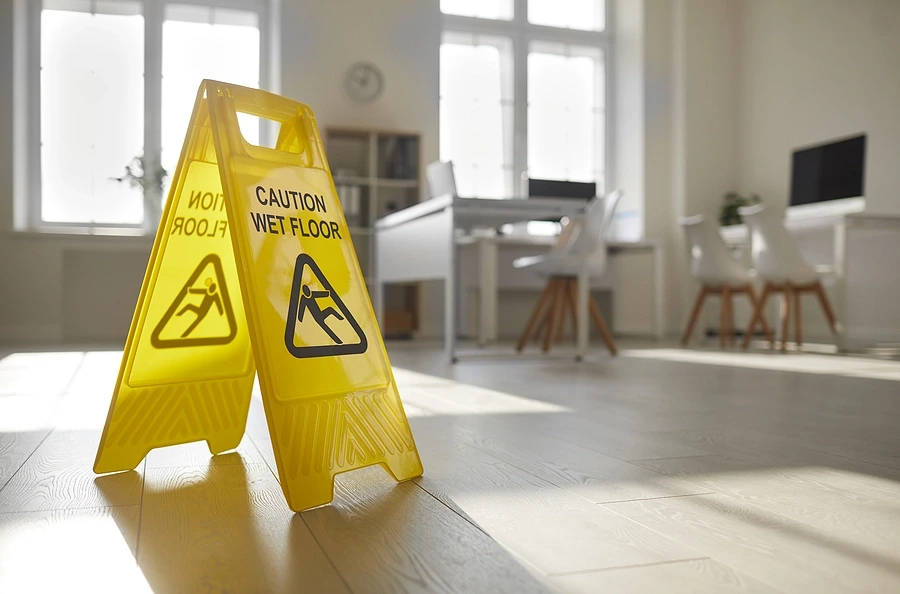
Many fall accidents share a common theme. They are often caused by conditions that could have been addressed with routine maintenance or basic safety measures. Wet or slippery floors are one of the most frequent hazards, especially in retail stores and restaurants. Spills that are not promptly cleaned up, freshly mopped floors without warning signs, and leaks from refrigeration units can all create dangerous walking surfaces.
Uneven flooring is another major cause. Cracked sidewalks, loose tiles, torn carpeting, and poorly maintained stairways can easily catch a person off guard. In outdoor areas, broken pavement, potholes, and tree roots pushing up walkways are common issues, particularly in parking lots and common areas of residential properties.
Lighting also plays a critical role. Dimly lit stairwells, hallways, or parking areas make it harder to see hazards in time to avoid them. When lighting is inadequate, even a minor defect can become a serious risk. Handrails that are loose or missing add to the danger, especially for older adults or anyone with balance challenges.
The Duty of Care Owed by Property Owners and Managers
In Palm Harbor and throughout Florida, property owners and managers owe a duty of care to people who lawfully enter their premises. This duty varies depending on the visitor’s status. Customers, tenants, and invited guests are generally owed the highest level of protection. Property owners must take reasonable steps to inspect for hazards, repair dangerous conditions, and warn visitors of risks that cannot be immediately fixed.
Managers and management companies often share responsibility. When a business or landlord hires a company to handle maintenance, cleaning, or security, that company may also be held accountable if negligence contributes to a fall. Responsibility is not always limited to one party, and identifying who had control over the property at the time of the accident is an important part of any claim.
Proving Negligence in a Fall Case
Not every fall results in a valid legal claim. To hold an owner or manager accountable, certain elements must be shown. First, there must be a hazardous condition on the property. Second, it must be proven that the responsible party knew about the danger or should have known about it through reasonable inspection and maintenance. Finally, the hazard must be the cause of the injury.
In many cases, the key issue is notice. For example, if a spill occurred moments before a fall, the owner may argue there was no opportunity to address it. On the other hand, if evidence shows the hazard existed for a significant period or was a recurring problem, the argument for negligence becomes stronger. Surveillance footage, maintenance logs, witness statements, and incident reports often play a central role in establishing what the owner or manager knew and when.
Why Immediate Action Matters After a Fall
What happens in the moments and days after a fall can have a lasting impact on a claim. Seeking medical attention right away is critical, even if injuries do not seem severe at first. Some conditions, such as head injuries or soft tissue damage, may not be immediately obvious. Medical records also provide important documentation linking the injuries to the fall.
Reporting the incident to the property owner or manager is another important step. An official report creates a record of the event and the conditions present at the time. If possible, photographs of the hazard and surrounding area should be taken before conditions change. Contact information for witnesses can also be invaluable later.
The Role of Comparative Fault in Florida
Florida law considers the concept of comparative fault in personal injury cases. This means that an injured person’s compensation may be reduced if they are found partially responsible for the accident. Property owners often argue that the injured person was not paying attention, wore improper footwear, or ignored obvious hazards.
While comparative fault can affect the outcome, it does not automatically bar recovery. Many fall cases involve shared responsibility, and the focus is on determining each party’s percentage of fault. A careful investigation can help counter unfair claims that place too much blame on the injured person.
Injuries Commonly Associated With Falls
Falls can result in a wide range of injuries, some of which have long-term consequences. Broken wrists, arms, ankles, and hips are common, particularly when people try to catch themselves. Back and spinal injuries can lead to chronic pain or mobility limitations. Head injuries are especially concerning, as they can cause cognitive issues, headaches, and emotional changes that persist long after the accident.
For older adults, falls are a leading cause of serious injury. Recovery can take longer, and the impact on independence and quality of life can be significant. These factors are considered when evaluating damages in a fall-related claim.
Compensation Available to Injured Individuals
When negligence is proven, compensation may be available for a variety of losses. Medical expenses, including emergency care, hospital stays, therapy, and future treatment, are often a primary concern. Lost income may also be recoverable if the injury prevents a return to work or limits earning capacity.
Pain and suffering, while less tangible, are also recognized under Florida law. This includes physical discomfort, emotional distress, and the ways the injury affects daily activities. Each case is unique, and the value of a claim depends on the severity of the injuries and their impact on the injured person’s life.
How Legal Guidance Can Make a Difference
Fall cases can be more complex than they appear. Property owners and insurance companies often move quickly to limit their exposure, sometimes disputing the cause of the fall or the seriousness of the injuries. Having a personal injury lawyer who understands Palm Harbor premises liability law can help level the playing field.
An attorney can gather evidence, handle communication with insurers, and work to identify all responsible parties. This support allows injured individuals to focus on healing while their legal rights are protected.
Conclusion
Accountability is not just about compensation. When owners and managers are held responsible for unsafe conditions, it encourages better maintenance and safer environments for everyone. Fall prevention benefits customers, tenants, and visitors across Palm Harbor.
Falls caused by dangerous property conditions are not simply accidents without cause. They are often preventable events that result from inattention or neglect. By understanding how responsibility is determined and what steps to take after a fall, injured individuals can make informed decisions and pursue the accountability they deserve.