What to Do After a Rear End Collision in Florida
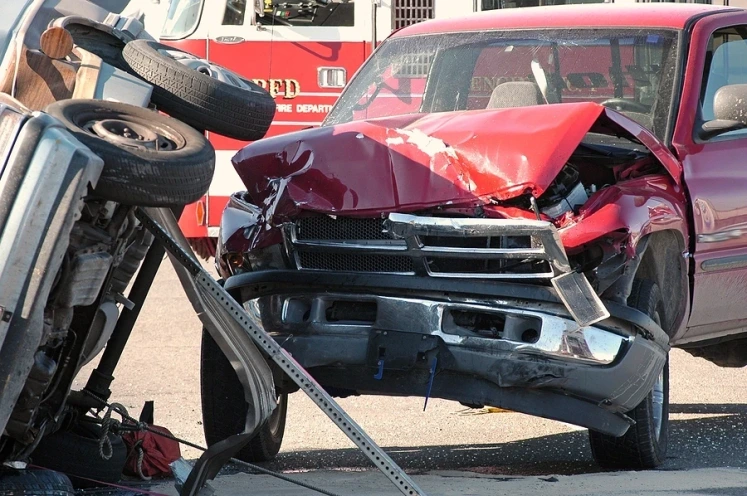
Rear-end collisions are among the most common types of car accidents in Florida. They often happen suddenly, giving drivers little time to react. Even when the crash seems minor, the aftermath can be complicated. Knowing what to do immediately after a rear-end collision can protect your safety, your legal rights, and your ability to recover damages.
Ensure Safety First
The first priority after any car accident is safety. If you are able, move your vehicle out of traffic to avoid further collisions. Turn on hazard lights to alert other drivers. Check yourself and your passengers for injuries. Even if you feel fine, remember that some injuries, like whiplash or internal trauma, may not be immediately apparent.
If anyone is seriously injured, call 911 right away. Emergency responders can provide medical care and document the scene. Avoid attempting to move someone who is seriously hurt unless they are in immediate danger, such as from a fire or traffic hazard.
Call Law Enforcement
In Florida, you are legally required to report a crash to the police if there is an injury, death, or property damage over $500. Even if the collision seems minor, calling the police can be beneficial. An official accident report provides a neutral account of the events, which can be critical if insurance claims or legal action follow.
When the officer arrives, provide factual information without admitting fault. Avoid speculating about what happened or blaming the other driver. Simply explain what you observed and let law enforcement handle the investigation.
Document the Scene Thoroughly
Accurate documentation of the crash can protect your rights later. Take photos of all vehicles involved from multiple angles, including damage to the front and rear, license plates, and any skid marks or debris. Photograph the surrounding area, traffic signs, and road conditions, as these details can be relevant.
Collect information from all parties involved, including names, phone numbers, addresses, driver’s license numbers, and insurance details. If there were witnesses, ask for their contact information as well. Witness statements can strengthen your case if there is a dispute about fault.
Seek Medical Attention Promptly
Even if you feel fine after a rear-end collision, it’s important to get checked by a medical professional. Injuries like whiplash, back strain, or concussions may take hours or days to appear. A doctor can assess your condition, provide treatment, and create a medical record that documents your injuries.
Prompt medical attention is also important for legal reasons. Insurance companies may question the link between the accident and your injuries if you wait too long to see a doctor. Early treatment helps establish a clear timeline.
Notify Your Insurance Company
Contact your insurance company as soon as possible to report the accident. Provide them with the facts, photos, and the police report if available. Be honest, but avoid admitting fault or speculating about the other driver’s intentions. Stick to the facts of what happened.
Keep a record of all communication with your insurer, including phone calls, emails, and letters. This documentation can help if there are disagreements over coverage or compensation.
Avoid Discussing Fault at the Scene
It can be tempting to apologize or explain what happened to the other driver, but statements made immediately after an accident can be used against you. Florida uses a comparative fault system, meaning both drivers can share responsibility. Saying something like “I should have stopped sooner” could impact your claim, even if you weren’t at fault.
Stick to neutral statements like “Are you okay?” and focus on safety and documentation. Let the police and insurance companies determine liability.
Keep Detailed Records
After the accident, maintain detailed records of everything related to the crash. This includes medical bills, repair estimates, car rental receipts, and any correspondence with insurance companies. Keep a journal of your symptoms, missed work, and changes to your daily life caused by the accident.
These records are vital if you pursue a personal injury claim. They help establish the full impact of the collision and support your request for compensation.
Consider Consulting a Personal Injury Lawyer
Rear-end collisions often seem straightforward, but insurance companies can be quick to minimize payouts. A personal injury lawyer in Palm Harbor can review your case, protect your rights, and ensure you receive fair compensation.
A lawyer can handle negotiations, gather evidence, and guide you through the claims process. They can also advise you on statutes of limitations and Florida’s specific rules for car accident claims. Legal guidance is especially important if your injuries are serious, if fault is disputed, or if you face challenges with insurance.
Understand Florida’s Comparative Fault Rules
Florida follows a “pure comparative fault” system. This means that if you are partially at fault for the crash, your compensation may be reduced by your percentage of responsibility. For example, if a jury finds you 20% at fault, your damages award would be reduced by 20%. Understanding this rule is essential when documenting the accident and communicating with insurance companies.
Take Care of Your Vehicle
Have your vehicle inspected by a professional to assess the damage. Even minor collisions can cause hidden issues with alignment, suspension, or the frame. Keep receipts for repairs and estimates, as these can be included in your insurance claim.
If your car is not safe to drive, consider arranging a rental or alternative transportation while repairs are completed. Some insurance policies cover rental vehicles after an accident.
Protect Your Long-Term Health
Finally, monitor your health in the weeks following a rear-end collision. Some injuries may worsen over time or become chronic if left untreated. Follow your doctor’s recommendations, attend follow-up appointments, and document any ongoing symptoms.
Recovering from an accident isn’t just about fixing your car or settling insurance claims. Taking care of your physical and mental health is equally important.
Conclusion
Being rear-ended in Florida can be stressful and confusing. By prioritizing safety, documenting the accident, seeking medical attention, and consulting a personal injury lawyer, you can protect yourself and your rights. Acting quickly and keeping thorough records helps ensure you receive fair compensation for injuries, property damage, and other losses.
Understanding the proper steps after a rear-end collision can make a difficult situation more manageable. While accidents are never pleasant, knowing what to do can give you peace of mind and a better chance of a full recovery.