Injuries Linked to Defective Consumer Products in Florida
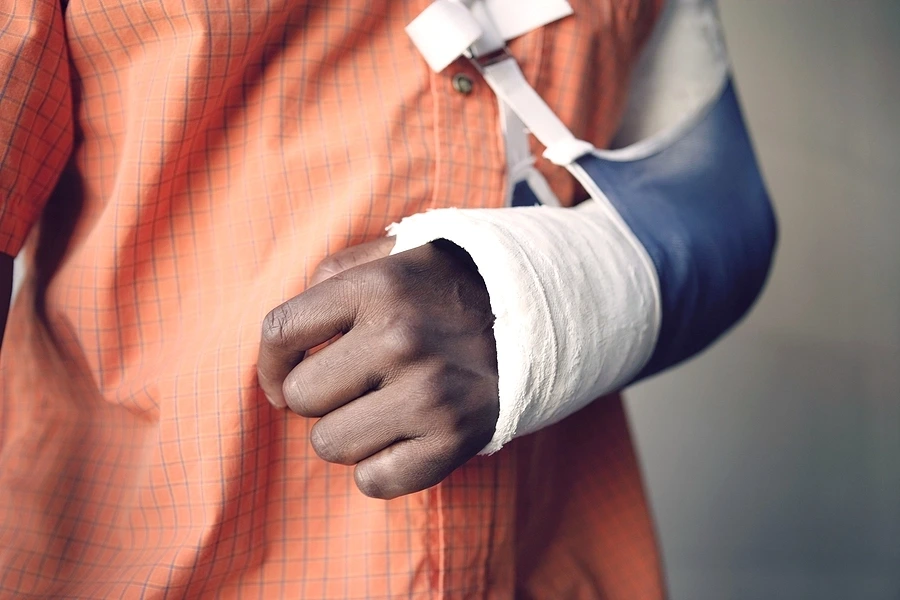
Consumer products are meant to make life easier, safer, or more convenient. From kitchen appliances and power tools to children’s toys and car parts, people rely on these items every day without much thought. Most of the time, that trust is well placed. But when a product is poorly designed, badly manufactured, or sold without proper warnings, it can cause serious injuries.
In Florida, defective consumer products are responsible for thousands of injuries each year. Some victims walk away with minor cuts or burns. Others face broken bones, permanent disability, or worse. Understanding how these injuries happen and what legal options exist can make a real difference after an accident.
How Defective Products Lead to Injuries
A product is considered defective when it is unreasonably dangerous when used as intended or in a reasonably predictable way. There are three main types of defects. Design defects exist before the product is ever made. The basic idea of the product is unsafe, so even a perfectly manufactured item can pose serious risks. Examples include space heaters that tip over too easily or vehicles with poorly designed fuel systems that increase the chance of fire in a crash.
Manufacturing defects occur during production. The design itself may be safe, but errors in assembly or the use of substandard materials can create dangerous products. A batch of bicycle helmets with weak straps or a ladder made with faulty rungs are common examples. Only certain units may be affected, but those units can cause serious injuries.
Failure to warn or provide clear instructions is the third type of defect. Some products carry risks that are not obvious, and when companies do not adequately communicate those risks, users may be harmed even when the product functions as intended.
Common Products That Cause Injuries
Defective products can be found in almost any part of daily life. Household appliances like toasters, microwaves, washing machines, and space heaters can overheat or spark fires. Children’s items, including cribs, strollers, toys, and car seats, must meet strict safety standards, and failure to meet them can result in choking injuries, head trauma, or broken bones. Vehicles and auto parts also pose serious dangers. Faulty airbags, brakes, tires, or steering components can cause devastating accidents. Power tools, ladders, and other home or workplace equipment can lead to cuts, amputations, or falls. Even medical devices and over-the-counter health products can be defective, leading to infection, internal injuries, or long-term complications.
Types of Injuries from Defective Products
The injuries caused by defective products can vary widely. Burn injuries are common with malfunctioning electronics, heating devices, and kitchen appliances, ranging from minor burns to life-threatening situations. Lacerations and puncture wounds may occur when tools break, glass shatters, or sharp parts are exposed, often resulting in infection or nerve damage. Broken bones are frequent in falls from defective ladders, chairs, or playground equipment and can require surgery and long recovery periods.
Head and brain injuries may result from a product tipping over, a faulty car part, or a helmet that fails to protect properly. Even mild brain injuries can affect memory, mood, and the ability to work. Spinal injuries, internal organ damage, and long-term complications are also common, particularly in serious vehicle accidents or when medical devices fail. Psychological harm is another factor; many victims experience anxiety, fear, or post-traumatic stress that can persist long after physical injuries have healed.
Determining Responsibility
Product injury cases are unique because several parties may be responsible. Manufacturers, both of the product and its individual components, are often the primary target. Parts suppliers may be liable if a defective component causes harm. Distributors and retailers can also be held responsible for selling unsafe products, as can importers who bring products into the country. Determining liability usually requires a careful investigation and, in some cases, expert testimony.
How Florida Law Applies
Florida follows specific rules for product liability cases. Injured consumers do not need to prove negligence in the traditional sense. It is sufficient to show that the product was defective, it was used in a reasonably foreseeable way, and the defect caused the injury. Time limits apply, meaning lawsuits must be filed within a certain period after the injury. Florida also recognizes comparative fault, which means that if the injured person is partly responsible, their compensation may be reduced.
Compensation for Product Injuries
Injured victims may recover compensation for medical expenses, including emergency care, hospital stays, surgeries, medication, therapy, and future treatment needs. Lost income may also be recovered if the injuries prevent the victim from working, and this can include both past wages and future earnings. Pain and suffering can cover physical pain, emotional distress, and loss of enjoyment of life. In severe cases, victims may seek damages for permanent disability, disfigurement, or loss of companionship.
Steps to Take After an Injury
If a product causes injury, prompt action is crucial. Seek medical care immediately, even for injuries that seem minor. Preserve the product in its original condition and avoid attempting repairs. Document the incident thoroughly, including photographs of the injury, the product, and the scene, as well as any receipts or manuals. Avoid providing recorded statements to insurance companies or the product manufacturer without legal guidance, as these can affect the outcome of a claim.
Why Legal Guidance Matters
Product injury claims can be complex. Companies often deny responsibility and may attempt to shift blame onto the victim. An experienced personal injury lawyer can investigate the case, consult experts, and handle communications with insurance companies or corporate attorneys. This allows victims to focus on recovery rather than navigating the legal process alone. In Palm Harbor, local lawyers understand how Florida courts handle these claims and the strategies that can lead to successful outcomes.
Conclusion
Most people do not expect everyday products to cause serious harm. Staying informed about recalls, following safety instructions, and paying attention to warning labels can help reduce risk. However, not all dangers can be avoided. When a defective product causes injury, the law provides a way to hold responsible parties accountable and pursue compensation. Knowing your rights is the first step toward recovery and justice.
Defective consumer products can change lives in seconds. With the right support and legal guidance, injured Floridians can take meaningful steps toward healing and obtaining the compensation they deserve.