How Helmet Use Affects Bicycle Accident Claims in Florida
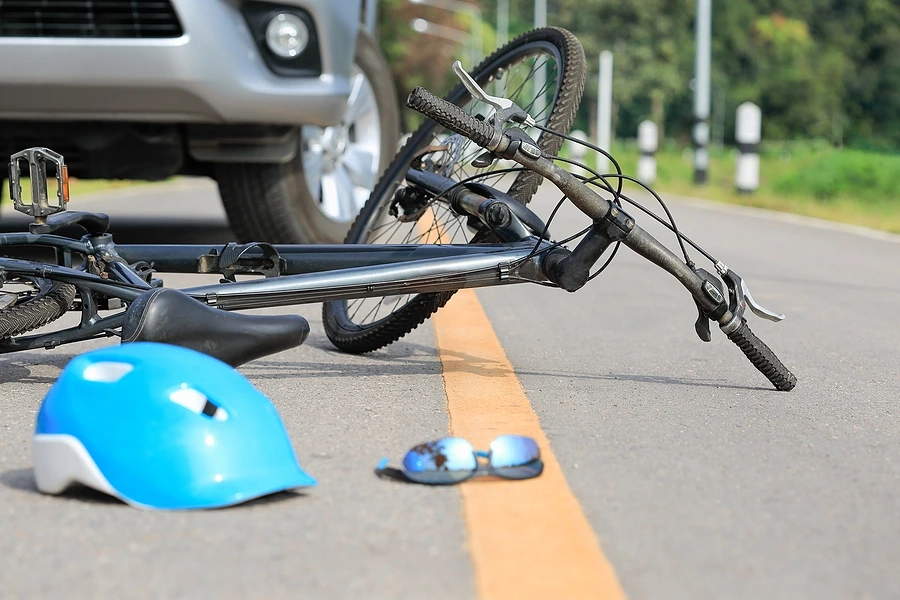
Bicycling is a popular activity in Palm Harbor and across Florida. People ride for exercise, commuting, or simply enjoying the outdoors. Unfortunately, bicycle accidents happen more often than many riders expect. When a crash occurs, questions of liability and compensation arise. One factor that can significantly influence a bicycle accident claim is helmet use. Understanding how wearing a helmet affects your case can help you protect your rights after a crash.
Florida Helmet Laws for Cyclists
Florida law requires children under the age of 16 to wear a helmet when riding a bicycle. For adults, helmet use is optional. This distinction matters because it can influence insurance claims and legal arguments after an accident. If a child is involved in a crash without a helmet, it may be harder to argue that certain injuries were unavoidable. Conversely, adults who choose not to wear a helmet may face scrutiny, but Florida law does not automatically reduce compensation for helmet nonuse.
The Role of Helmets in Reducing Injuries
Helmets are designed to reduce the severity of head injuries during a crash. Studies consistently show that wearing a helmet lowers the risk of serious head trauma and traumatic brain injury. In a personal injury claim, medical evidence of head injuries can be a central factor in determining damages. If a rider was wearing a helmet, insurance adjusters and courts may view the injuries as less severe than if the rider was unprotected. This can affect the total compensation you are entitled to receive.
Helmet Use and Insurance Claims
Insurance companies often consider helmet use when evaluating a claim. If a bicyclist is involved in an accident and was wearing a helmet, it may strengthen their claim by demonstrating that they took reasonable precautions. On the other hand, if a rider was not wearing a helmet, insurers might argue that some injuries could have been prevented. This argument is sometimes used to reduce settlement offers, although it does not automatically eliminate the right to recover damages.
It is important to note that in Florida, a rider’s decision not to wear a helmet does not constitute contributory negligence in the same way that actions like running a red light or speeding might. Insurance companies may attempt to minimize claims based on helmet nonuse, but experienced personal injury lawyers can challenge these tactics to ensure fair compensation.
How Helmet Evidence is Used in Court
In personal injury cases, evidence of helmet use can influence several aspects of the claim. First, it can show that the bicyclist acted responsibly. Photos, eyewitness accounts, and medical records noting helmet use are all relevant. Second, helmet evidence may be referenced when calculating damages. For example, if a helmet prevented a severe head injury, a court may consider that the injuries were mitigated. Third, it can be part of arguments over liability. Opposing counsel may try to frame the lack of a helmet as partial fault, but a skilled attorney can counter this by focusing on the other party’s negligence, such as a driver running a stop sign or failing to yield.
Misconceptions About Helmet Use and Compensation
Some bicyclists hesitate to file claims because they are worried that not wearing a helmet will automatically reduce their compensation. This is a common misconception. Florida law prioritizes fault and negligence over helmet use in most cases. What matters most is whether the other party was negligent and whether that negligence caused your injuries. While helmet use can influence the perception of damages, it does not negate your right to seek compensation for medical bills, lost wages, or pain and suffering.
Steps to Take After a Bicycle Accident
After a bicycle accident, there are several actions you should take to protect your claim:
- Seek immediate medical attention. Even if injuries seem minor, some head injuries or internal injuries may not appear right away.
- Document the accident scene. Take photos of the roadway, your bicycle, and any vehicles involved.
- Gather witness information. Eyewitness accounts can help establish liability.
- Keep records of your medical treatment and expenses. Accurate documentation is essential for proving damages.
- Report the accident to law enforcement if appropriate. Police reports can support your claim.
- Contact a personal injury lawyer with experience in bicycle accidents. A lawyer can guide you through negotiations with insurance companies and help you maximize compensation.
Why Legal Guidance Matters
Navigating a bicycle accident claim in Florida can be complicated. Insurance adjusters may try to minimize payouts, and opposing parties might argue that helmet nonuse reduces your damages. An experienced personal injury lawyer in Palm Harbor can help you understand your rights, gather evidence, and present a strong case. Legal guidance is particularly important when injuries are serious or when there is a dispute over fault.
Conclusion
Helmet use plays an important role in bicycle safety and can influence how a personal injury claim is evaluated. While wearing a helmet does not guarantee compensation, it demonstrates responsible behavior and may impact the assessment of damages. Florida law protects the rights of bicyclists, even if they were not wearing a helmet, as long as negligence by another party contributed to the accident.
Taking the right steps after a crash and working with an attorney can help ensure you receive fair compensation for your injuries. Bicycling should be an enjoyable and safe activity. Understanding how helmet use affects accident claims is an essential part of protecting yourself.
If you or a loved one has been injured in a bicycle accident in Palm Harbor, contact a qualified personal injury lawyer to help guide you through the process and protect your rights.