How Florida No Fault Insurance Works After a Car Accident
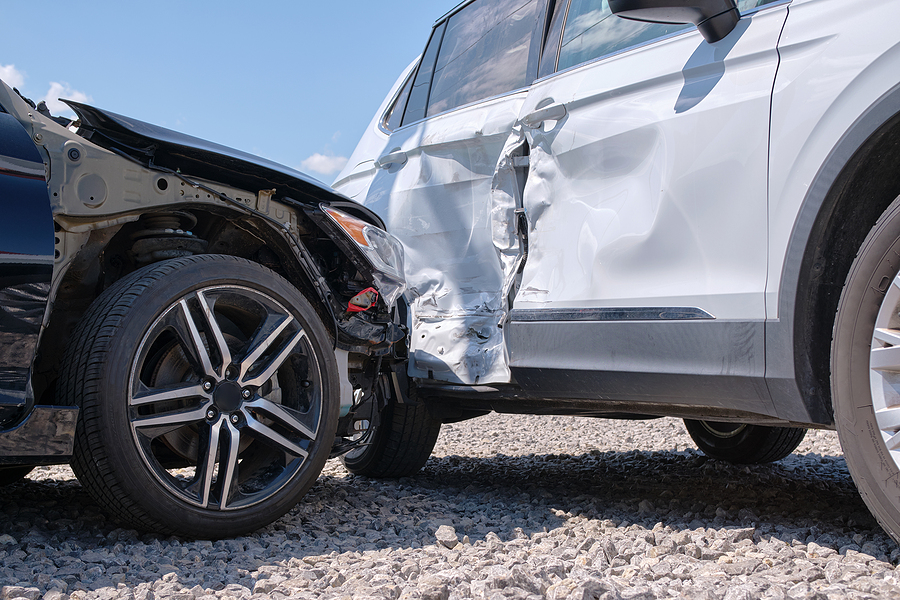
Florida is one of the few states that operates under a no-fault auto insurance system, which means the process for covering medical bills after a crash works differently than many drivers expect. Instead of waiting to find out who caused an accident before receiving help with treatment costs, Florida law requires drivers to carry insurance that pays a portion of their own medical expenses regardless of fault. For anyone recovering from a car accident in Palm Harbor, understanding how this system works, what it actually covers, and where its limits lie can make a real difference in how smoothly the early stages of recovery go. Working with a car accident attorney can also help clarify when the no-fault system is enough on its own and when additional steps may be necessary.
What Personal Injury Protection Actually Covers
The Basics of PIP Coverage
Florida requires most vehicle owners to carry at least ten thousand dollars in Personal Injury Protection, commonly called PIP, along with a matching amount of property damage liability coverage. PIP is designed to pay a portion of medical expenses and lost wages after a crash without requiring proof of who was at fault. This applies to the policyholder, certain relatives living in the same household, and, in some situations, passengers or pedestrians involved in the accident. The specific benefits available and how they are calculated can depend on details of the individual policy, so reviewing the declarations page after an accident is a useful first step.
What PIP Does Not Cover
While PIP helps with immediate medical costs, it typically covers only a percentage of expenses rather than the full amount, and it does not compensate for pain and suffering. Once the policy limit is reached, or once expenses cross certain thresholds, injured drivers may need to look beyond PIP to cover the remaining costs. This gap is one of the most common sources of confusion after an accident, particularly for those with more serious injuries that require extended treatment, physical therapy, or specialist care well beyond the initial visits.
Time Limits That Affect PIP Benefits
The Fourteen-Day Rule
Under Florida Statute 627.736, a person generally must seek initial medical treatment within fourteen days of an accident in order to remain eligible for PIP benefits. Missing this window can result in a complete loss of coverage, even if the injury is genuine and later becomes more noticeable. This rule makes prompt medical attention important not just for health reasons but for preserving insurance benefits as well.
Ongoing Documentation Requirements
Beyond the initial visit, continuing to document treatment and communicate with the insurance carrier according to policy requirements helps prevent delays or denials of PIP benefits. Because insurers often request updated records as treatment continues, staying organized with medical paperwork can reduce friction throughout the claims process. The specific documentation needed can vary depending on the type of injury and the insurer involved, and keeping copies of every bill, statement, and piece of correspondence can make it easier to respond quickly if questions arise later.
When the No-Fault System Is Not Enough
Meeting the Serious Injury Threshold
Florida law generally limits the ability to pursue a claim against an at-fault driver for pain and suffering unless the injury meets certain legal thresholds, such as significant and permanent loss of an important bodily function or permanent scarring. Determining whether an injury meets this threshold often requires a medical evaluation and can depend heavily on the specific facts of the case. This is one of the more technical aspects of Florida’s no-fault system and can be difficult to assess without guidance, since the same type of injury may meet the threshold in one case and not in another, depending on its long-term effects.
Pursuing Additional Compensation
When medical expenses or lost income exceed what PIP provides, or when an injury meets the threshold for a liability claim, an injured person may have options for pursuing additional compensation from the at-fault driver. This process is separate from the PIP claim and involves different evidence, timelines, and legal standards. Because these cases can become complex quickly, understanding the distinction between a PIP claim and a liability claim early on can help avoid confusion later, especially when multiple insurance policies and multiple parties are involved in the same accident.
Common Questions About How PIP Applies
Choosing a Medical Provider
Florida law places some restrictions on the types of medical providers whose initial treatment will qualify for PIP benefits, which can surprise drivers who assume any provider will do. Understanding which providers satisfy these requirements before scheduling an appointment can help avoid a situation where treatment is completed but not covered. Because these rules can be technical, confirming provider eligibility in advance is generally a safer approach than assuming coverage will apply.
Passengers, Pedestrians, and Bicyclists
PIP coverage is not limited strictly to the driver of the insured vehicle. In many situations, passengers who do not own a vehicle of their own, as well as pedestrians or bicyclists struck by the insured vehicle, may also be entitled to PIP benefits through that policy. The exact rules depend on factors such as household relationships and whether the injured person has their own auto policy, which makes it worthwhile to review the specifics of a given situation rather than assume coverage does or does not apply.
Moving Forward After a Car Accident
Florida’s no-fault insurance system is designed to provide fast access to initial medical care, but it was never intended to cover every cost that follows a serious car accident. Knowing how PIP works, what its limits are, and when it may be appropriate to look beyond it can help injured drivers make more informed decisions during a stressful time. Because every accident involves its own set of facts, medical needs, and insurance policies, general information can only go so far in predicting how a specific claim will unfold, and outcomes will always depend on the particular circumstances involved. Emerson Straw is a car accident and personal injury law firm serving the Palm Harbor community, and we encourage anyone navigating a claim to speak with an attorney about their specific coverage and options.