Common Injuries Caused by Nursing Home Neglect in Florida
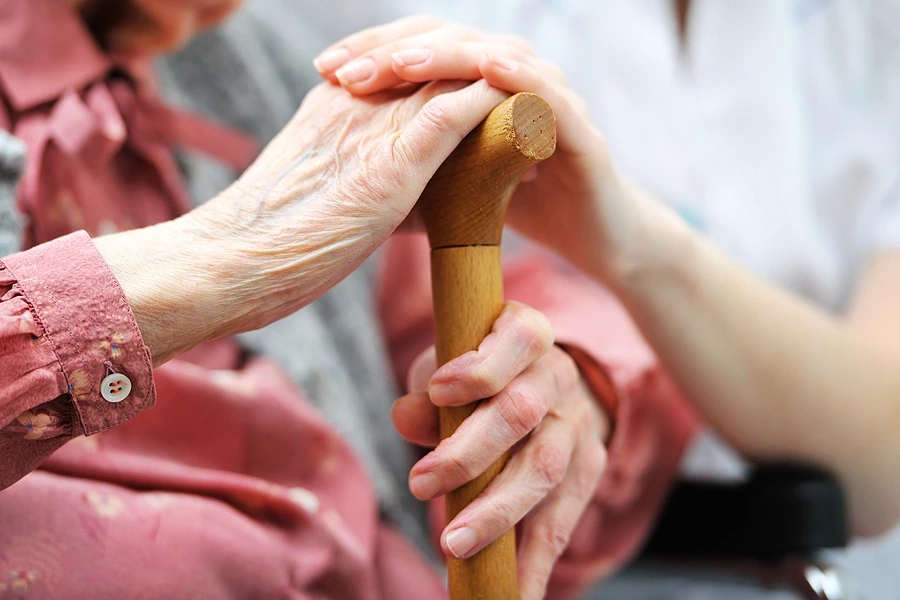
Nursing homes are meant to provide a safe environment for seniors who need help with daily living activities. Unfortunately, not all facilities meet this standard. Nursing home neglect can lead to serious injuries that affect residents’ health, independence, and quality of life. Families in Palm Harbor and across Florida need to understand the types of injuries that can result from neglect so they can take action when necessary.
Neglect in a nursing home happens when staff fail to provide the necessary care for residents. This can include not assisting with eating, bathing, or mobility, ignoring medical needs, or failing to protect residents from unsafe conditions. When care falls short, residents can suffer a wide range of injuries, some of which may be life-threatening.
Pressure Sores and Skin Injuries
Pressure sores, also known as bedsores or pressure ulcers, are a common consequence of nursing home neglect. These injuries occur when residents remain in one position for too long without proper repositioning. Lack of attention to skin care and hygiene can make the skin break down, leading to painful wounds.
Pressure sores can start as red or irritated areas on the skin. Without proper care, they can progress to open sores that expose underlying muscle or bone. These wounds increase the risk of infections, sepsis, and other serious complications. In Florida, cases of advanced pressure sores often indicate that a facility failed to provide adequate monitoring or assistance with mobility.
Falls and Fractures
Falls are another frequent injury in nursing homes. Neglect may contribute to falls when staff fail to provide mobility assistance, leave residents in unsafe areas, or do not address hazards such as wet floors or broken handrails. Seniors are already at higher risk of falling due to reduced balance, muscle weakness, and medical conditions.
Falls can result in broken bones, head injuries, or spinal cord injuries. Hip fractures are particularly serious for older adults, as they can lead to long-term immobility, complications like blood clots, and even increased mortality. Nursing home residents who fall frequently or suffer serious fractures may have been victims of preventable neglect.
Dehydration and Malnutrition
Proper nutrition and hydration are essential for seniors’ health. Nursing home neglect can occur when staff fail to provide enough food or fluids, ignore swallowing difficulties, or do not monitor residents’ dietary needs. Malnutrition and dehydration can develop quickly in elderly residents, weakening their immune systems and increasing susceptibility to other health problems.
Signs of dehydration include dry mouth, confusion, low blood pressure, and kidney problems. Malnutrition can cause significant weight loss, muscle weakness, and delayed wound healing. Both conditions may also worsen pre-existing medical conditions, making early intervention critical.
Medication Errors
Medication management is a vital responsibility of nursing home staff. Neglect may occur when residents do not receive their prescribed medications or are given the wrong dosages. Errors can happen due to poor recordkeeping, lack of training, or staff shortages.
Missed or incorrect medications can have serious consequences. For example, skipping heart medications may lead to dangerous blood pressure spikes, while errors with insulin or other diabetic medications can cause severe blood sugar fluctuations. Medication-related neglect can result in hospitalization or long-term health complications.
Emotional and Psychological Harm
Neglect in nursing homes is not always physical. Emotional and psychological harm can occur when residents are isolated, ignored, or treated with disrespect. Long-term neglect can lead to depression, anxiety, and feelings of helplessness.
Staff may fail to provide social interaction, fail to respond to residents’ requests, or ignore signs of emotional distress. Seniors who experience emotional neglect may withdraw, lose interest in activities, and struggle with mental health issues that affect their overall well-being.
Infections From Poor Hygiene
Proper hygiene is essential in preventing infections in nursing home residents. Neglect may involve failing to assist residents with bathing, changing soiled clothing, or maintaining clean living areas. This lack of care increases the risk of urinary tract infections, respiratory infections, and skin infections.
Infections can escalate quickly in elderly individuals, leading to hospitalization or more severe health outcomes. In some cases, chronic neglect of hygiene may also contribute to outbreaks of illness within the facility.
Recognizing the Signs of Neglect
Families and caregivers should be aware of warning signs that may indicate nursing home neglect. These can include unexplained injuries, sudden weight loss, dehydration, untreated medical conditions, poor hygiene, and emotional withdrawal. Observing the resident’s overall physical and emotional state can help identify potential neglect before it becomes severe.
Documenting observations, taking photos of injuries, and keeping detailed records of incidents can be crucial for protecting the resident’s safety and supporting a legal claim if necessary.
Taking Action When Neglect Is Suspected
If you suspect a loved one has been neglected in a nursing home, it is important to act promptly. Contact the facility management to report concerns, and consider reaching out to Florida’s Agency for Health Care Administration. In cases where serious injuries occur, consulting a personal injury lawyer experienced in nursing home cases can help families understand their legal options and seek compensation for harm caused by neglect.
A personal injury lawyer can guide families through documenting injuries, obtaining medical records, and navigating the complex legal process involved in holding negligent facilities accountable. Legal action can also help prevent future harm to other residents by encouraging facilities to improve care standards.
Conclusion
Nursing home neglect can lead to a variety of injuries, including pressure sores, falls, fractures, dehydration, malnutrition, medication errors, infections, and emotional harm. In Florida, families have the right to ensure their loved ones receive safe, attentive care. Recognizing the signs of neglect and taking timely action can protect residents, prevent further harm, and hold negligent facilities responsible.
Understanding the potential consequences of nursing home neglect is the first step in safeguarding the health and dignity of seniors. Families in Palm Harbor and across the state should remain vigilant and informed to ensure their loved ones receive the care they deserve.