How Wet Floors and Poor Maintenance Lead to Injuries
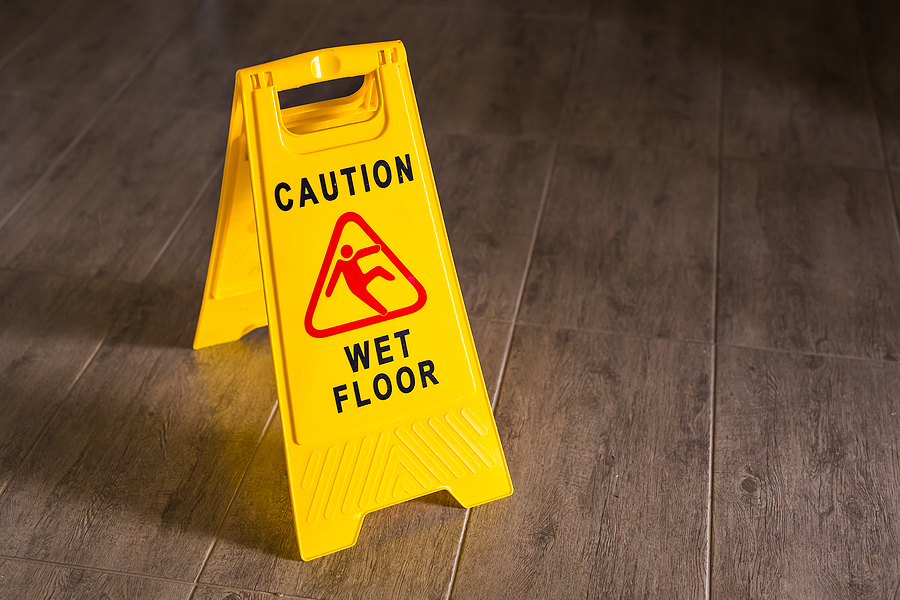
Slips, trips, and falls are some of the most common causes of injuries in homes, workplaces, and public spaces. Wet floors, damaged surfaces, and neglected maintenance can create dangerous conditions that catch people off guard. In Palm Harbor, where rainy weather and high humidity are frequent, these hazards can be even more pronounced. Understanding how these conditions lead to injuries is essential for both property owners and those navigating public spaces.
Why Wet Floors Are Dangerous
Wet floors are a frequent source of accidents. A small spill or a patch of water can be enough to make someone lose their footing. These incidents often occur because the area was not cleaned promptly or warning signs were not in place. Even in well-maintained settings, water from rain, leaks, or cleaning can accumulate quickly, creating slippery surfaces. Smooth flooring, such as tile or polished concrete, increases the risk.
The Role of Poor Maintenance
Poor maintenance goes beyond wet floors. Broken steps, uneven pavement, loose handrails, and cluttered walkways all contribute to injuries. Over time, wear and tear on a property can make it unsafe. A loose tile or a handrail that is not properly secured may seem minor, but both can lead to serious accidents if someone relies on them for support. Regular inspections and repairs are critical to preventing injuries.
Types of Injuries
Injuries from wet floors and poor maintenance vary in severity. Some falls result in minor bruises or sprains, while others can lead to broken bones, head trauma, or permanent disability. Older adults are particularly vulnerable due to reduced balance and bone density. Children may slip on a wet floor in a school or playground, and employees can encounter hazards in hallways, stairwells, or other areas of the workplace.
Legal Responsibility
Property owners, including businesses and landlords, have a duty to maintain safe environments. This duty requires them to identify hazards, address them promptly, and provide warnings when necessary. If someone is injured due to negligence, they may have grounds for a personal injury claim. In Florida, proving that a property owner failed to act reasonably to prevent an accident is often key to these cases.
Documenting the Incident
Collecting evidence is critical after an injury. Photographs of wet floors, broken steps, or other hazards can help show unsafe conditions. Medical records provide proof of injuries, and witness statements can support the timeline of events. Acting quickly to gather this information can strengthen a personal injury case and improve the chances of receiving compensation for medical bills, lost income, and pain and suffering.
Preventing Accidents
Prevention is always the best approach. Property owners should maintain regular cleaning routines, repair damaged areas, and promptly address spills. Slip-resistant mats and warning signs can reduce the risk of accidents. Businesses can also train employees to maintain safe work environments. Individuals should remain cautious and aware of their surroundings, especially in areas with high traffic or frequent water exposure.
Public Spaces and Municipal Responsibility
In public spaces, the responsibility often falls on municipalities or building management. Sidewalks, parking lots, and other shared areas must be kept in good condition. Loose pavement, potholes, or standing water can create hazards that lead to injuries. Reporting unsafe conditions to the appropriate authorities helps prevent accidents and protects the community.
Working with a Personal Injury Lawyer
Insurance companies may try to minimize payouts after an accident. A personal injury lawyer can investigate the incident, collect evidence, and advocate for fair compensation. They handle communication with insurance adjusters and ensure victims are not pressured into accepting settlements that do not cover their full damages.
The Palm Harbor Context
In Palm Harbor, frequent rain, high foot traffic, and aging buildings increase the risk of accidents caused by wet floors and poor maintenance. Property owners who neglect their duty to maintain safe spaces can face serious legal consequences. For individuals, knowing the risks and understanding their rights can make a significant difference after an accident.
Conclusion
Accidents happen quickly, but their impact can last a long time. Medical expenses, lost wages, and the emotional toll of an injury can be overwhelming. Slips, trips, and falls may seem minor, but they can lead to serious consequences. Wet floors and poorly maintained properties create risks that should never be ignored. Recognizing these dangers, taking precautions, and knowing your rights after an injury are essential steps to protect yourself and others in Palm Harbor.