Who Can Be Held Responsible in a Product Liability Case
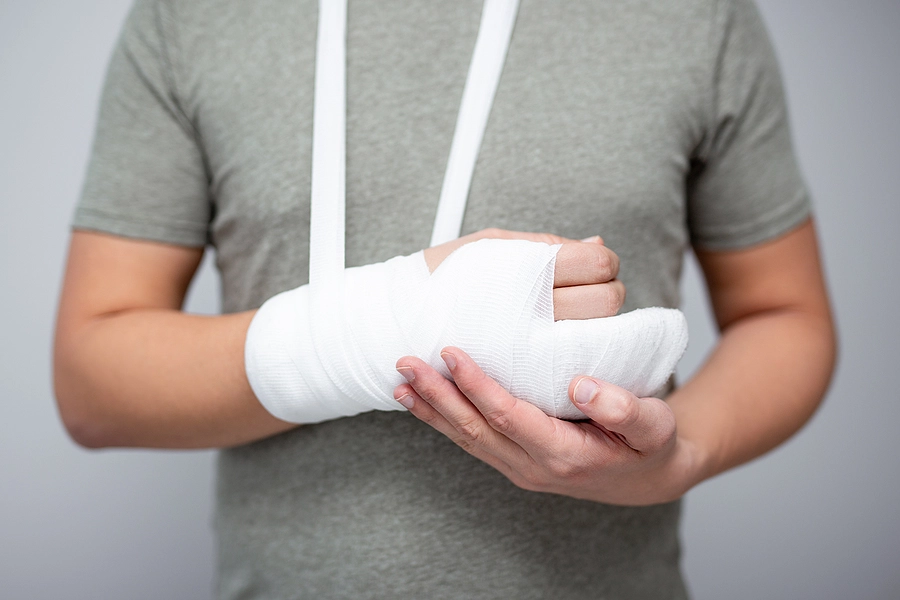
When a defective product causes injury, determining who is responsible can be complicated. Product liability laws in Florida are designed to protect consumers, but identifying the parties who may be legally accountable is essential. Knowing who can be held responsible is the first step in building a strong claim.
What Is Product Liability?
Product liability claims arise when a consumer is injured by a defective product. Defects may be related to design, manufacturing, or even inadequate warnings and instructions. Florida law allows injured parties to seek compensation for medical expenses, lost wages, pain and suffering, and other damages.
Unlike typical personal injury cases, product liability cases often involve multiple parties. Understanding these parties and their roles is critical for anyone pursuing a claim.
Manufacturers and Their Responsibility
Manufacturers are the most obvious parties in product liability cases. They design and produce products and have a legal duty to ensure those products are safe for normal use. If a manufacturer cuts corners in design or testing, they can be held liable for resulting injuries.
Design defects occur when the product is inherently unsafe, even when made correctly. Manufacturing defects happen when a product deviates from its intended design, such as a toy assembled incorrectly.
Manufacturers are also responsible for providing clear instructions and warnings. If inadequate safety information leads to injury, the manufacturer may be held accountable.
Distributors and Wholesalers
Distributors and wholesalers deliver products from the manufacturer to retailers. While they may not create the product, they can still be responsible if they sell a known defective product or fail to act on knowledge of a defect.
Sometimes, distributors are easier to pursue than manufacturers, particularly if the manufacturer is out of state or has limited assets. Florida law allows claims against anyone in the distribution chain who contributed to a dangerous product reaching consumers.
Retailers and Sellers
Retailers and sellers are often the most accessible parties for injured consumers. These businesses sell products directly to the public and are expected to ensure that products are reasonably safe.
Retailers may be liable if they knowingly sell defective products or fail to remove dangerous items from their shelves. Injured parties often pursue claims against both the retailer and manufacturer to improve their chances of compensation.
Designers and Engineers
Beyond manufacturers, the engineers or designers responsible for creating a product may also share liability. Designers are expected to anticipate risks and implement safeguards during the design process.
If a design flaw causes injury, the designer may share responsibility with the manufacturer. This can include consulting firms, subcontractors, or third-party designers who contributed to the product.
Component Suppliers
Many products are made from parts sourced from different suppliers. If a supplied component is defective and causes harm, the supplier can be held accountable alongside the manufacturer.
For example, if a car’s braking system fails because a part from a third-party supplier was faulty, the supplier may face liability. These cases often involve multiple parties, highlighting the complexity of product liability law.
Understanding Strict Liability
Florida applies a strict liability standard in many product liability cases. This means that an injured party does not need to prove negligence to hold someone accountable. If the product was defective and caused injury, the responsible parties can be held liable.
Strict liability is particularly important for design or manufacturing defects. It allows consumers to focus on the defect and injury rather than proving carelessness by the manufacturer or seller.
Shared Responsibility and Multiple Defendants
Product liability cases often involve more than one responsible party. It is common for a manufacturer, distributor, and retailer to be named in the same lawsuit. Florida law allows courts to apportion liability according to each party’s role.
Even if one party bears the majority of responsibility, others can still be held partially accountable. Identifying who is liable and to what extent requires careful investigation and legal expertise.
Gathering Evidence
Proving responsibility in a product liability case requires strong evidence. This can include photographs of the defective product, medical records, purchase receipts, and expert testimony. Investigations often trace the product back to the manufacturer or other responsible parties.
In cases with multiple defendants, evidence must show how each party contributed to the defect or distribution of the dangerous product.
Getting Legal Help in Palm Harbor
Navigating a product liability claim in Florida can be challenging without legal guidance. A personal injury lawyer can identify all potential defendants, gather evidence, and pursue compensation on behalf of the injured party.
Lawyers manage communications with insurance companies and negotiate settlements to avoid prolonged litigation. In cases involving severe injuries or complex product chains, legal representation ensures that all responsible parties are held accountable.
Conclusion
Product liability cases in Florida can involve manufacturers, distributors, retailers, designers, and component suppliers. Responsibility is not limited to the company that made the product. Strict liability allows injured parties to hold anyone in the supply chain accountable for defects that cause harm.
If you or a loved one has been injured by a defective product, understanding who may be responsible is essential. Working with a personal injury lawyer in Palm Harbor can help you navigate the process and ensure that all responsible parties are held accountable for their role in your injury.