Common Causes of Slip and Fall Accidents in Florida Businesses
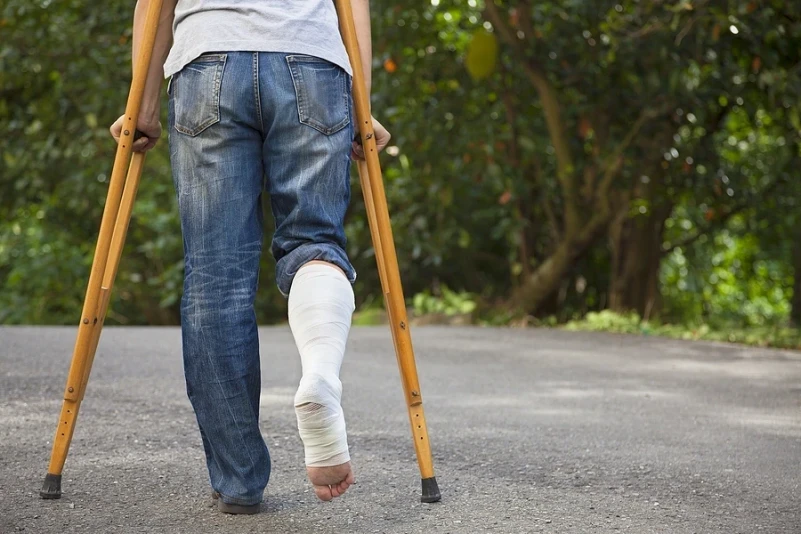
Slip and fall accidents are one of the most frequent types of injuries in Florida, and they can happen in any business setting. These accidents often occur suddenly, leaving victims with injuries that range from minor bruises to severe fractures or head trauma. Knowing the common causes of these accidents can help business owners prevent them and inform individuals of their rights if they are injured.
Florida law requires property owners to maintain safe premises. This means keeping floors, walkways, and other areas free from hazards that could cause someone to slip or trip. When this duty is neglected, accidents can happen, and injured parties may have grounds to seek compensation for medical bills, lost wages, and pain and suffering.
Wet and Slippery Floors
One of the leading causes of slip and fall accidents in Florida businesses is wet or slippery floors. Florida’s climate contributes to this risk. Rain often enters business entrances, leaving puddles or creating slick surfaces.
Businesses that fail to place warning signs or promptly clean up spills can be held responsible if someone falls. Even small amounts of water can create dangerous conditions, especially on smooth tile, polished concrete, or linoleum floors.
Uneven or Damaged Flooring
Uneven or damaged flooring is another frequent hazard. Loose tiles, cracked concrete, and worn carpeting can cause someone to trip unexpectedly. In older buildings, flooring may have deteriorated over time, creating hazards that are easy to overlook.
Business owners are responsible for identifying these risks and either repairing them or clearly marking unsafe areas to prevent accidents.
Obstructions in Walkways
Obstructions in walkways are a common cause of slip and fall incidents. Items like boxes, carts, cords, or even temporary displays can catch people off guard.
Maintaining clear pathways throughout a business is essential to prevent accidents. This includes keeping entrances, aisles, and exit routes free from obstacles.
Poor Lighting
Poor lighting increases the risk of falls, especially in parking lots, stairways, or dimly lit interior spaces. When areas are inadequately lit, hazards become harder to see, making trips and falls more likely.
Businesses should ensure all areas, both indoors and outdoors, are properly illuminated, particularly during evening hours.
Weather-Related Hazards
Florida’s weather can create slippery conditions, especially during sudden rainstorms. Wet sidewalks, entryways, and ramps can quickly become hazardous.
Businesses must provide mats, non-slip surfaces, and warning signs to alert visitors to potential dangers. Immediate attention to weather-related hazards is critical for preventing accidents.
Maintenance Issues
Broken handrails, unstable stairs, and poorly maintained ramps can also contribute to slip and fall accidents. These hazards may seem minor but can result in serious injuries. Regular inspections and prompt repairs are essential for ensuring structural safety.
Footwear and Behavior
Footwear and individual behavior can contribute to falls, though they do not eliminate a business’s responsibility. Shoes with slippery soles or high heels can increase risk, and rushing or inattentive walking can play a role.
Property owners are still legally obligated to maintain reasonably safe conditions. Negligence on their part can make them liable regardless of footwear or behavior.
Cleaning Products and Chemicals
Cleaning products and chemicals on the floor are another hazard. Wet floors from mopping or spills of cleaning solutions can be dangerous if not marked properly. Many slip and fall incidents occur shortly after cleaning when warning signs are missing or removed too early.
Proper signage and careful cleaning practices are essential to reduce accidents.
Food-Related Hazards
Restaurants, grocery stores, and other businesses handling food are particularly prone to slip and fall accidents. Spilled liquids, dropped food, and grease create very slippery conditions. Staff should be trained to address spills immediately, and businesses should use mats, signage, and other measures to prevent accidents.
Layout and Design
The layout and design of a business can also contribute to accidents. Narrow walkways, abrupt floor level changes, and cluttered entrances can increase the risk of falls. Thoughtful design that considers traffic flow and accessibility helps reduce hazards and improves safety.
Documenting Hazards and Injuries
If a slip and fall accident occurs, documenting the cause is critical. Photos of the hazard, witness statements, and records of prior complaints or maintenance issues can be vital for establishing liability. Injuries may require extensive medical care, and legal guidance is often necessary to navigate claims against businesses.
Legal Considerations in Florida
Florida law allows injured parties to pursue claims against business owners when negligence is involved. Proving negligence typically requires showing that the business knew or should have known about the hazard and failed to address it. Consulting with a personal injury attorney can help victims understand their rights and increase the likelihood of a successful claim.
Preventing Slip and Fall Accidents
Preventing slip and fall accidents requires vigilance from both business owners and visitors. Business owners should:
- Maintain floors and repair damage promptly
- Keep walkways clear
- Provide adequate lighting
- Train staff to address hazards quickly
Visitors should remain alert and cautious, especially in areas prone to wet or uneven surfaces. Awareness, proper maintenance, and timely action can reduce accidents and protect both visitors and businesses.
Conclusion
Slip and fall accidents in Florida businesses are common but preventable. Understanding the causes helps everyone take steps to stay safe. For those who are injured, knowing your rights and seeking legal guidance ensures that you are not left bearing the consequences of someone else’s negligence.