Who Is at Fault When a Pedestrian Is Hit in a Crosswalk
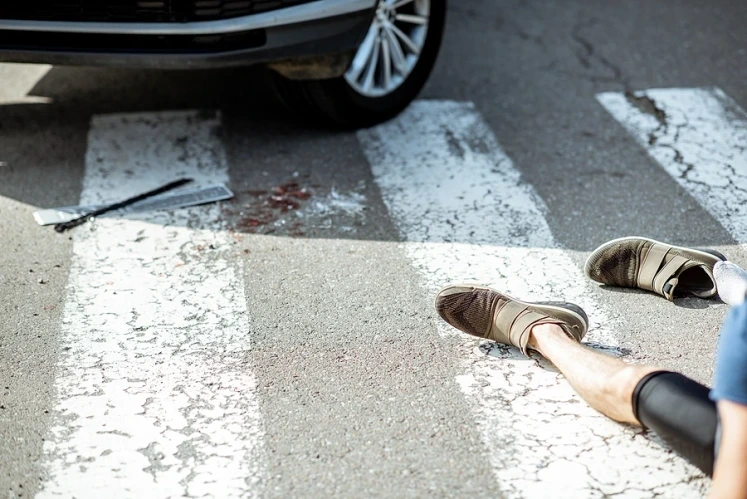
Crosswalks are meant to provide safe spaces for pedestrians, yet accidents still happen every year. When a pedestrian is struck, one of the first questions is who is at fault. The answer is not always simple, and it often depends on the actions of everyone involved and the specific facts of the crash. Understanding how fault is determined can help injured pedestrians protect their rights.
Why Crosswalk Safety Matters
Pedestrians have little protection in collisions with vehicles. Even a low-speed impact can cause serious injuries like broken bones, head trauma, or permanent damage. Crosswalk laws are in place to reduce these risks, but careless or distracted behavior can still lead to accidents.
Florida law gives pedestrians certain rights in crosswalks, especially when traffic signals or signs are present. At the same time, pedestrians also have responsibilities, such as following signals and avoiding stepping into danger when it is unsafe. Investigators look at the actions of both drivers and pedestrians to determine fault when an accident occurs.
Florida Law on Crosswalks
Drivers in Florida are required to yield the right of way to pedestrians lawfully crossing within marked or unmarked crosswalks at intersections. This includes crosswalks controlled by traffic signals and those without them. Drivers must slow down or stop if necessary to allow safe passage. Pedestrians must also act responsibly. They should obey traffic signals, avoid stepping into the road suddenly, and pay attention to oncoming traffic. Fault is determined by comparing the conduct of drivers and pedestrians with these rules in mind.
Common Driver Errors in Crosswalk Accidents
Many crosswalk crashes occur because drivers fail to act with reasonable care. A driver may not yield when a pedestrian is clearly in the crosswalk, or they may be speeding through intersections or residential areas. Distracted driving, such as texting or talking on a phone, is another frequent cause. Drivers under the influence of alcohol or drugs, ignoring traffic signals, or failing to check for pedestrians while turning are also common contributors. Even in busy areas of Palm Harbor where visibility may be limited, drivers are expected to adjust their speed and attention to road conditions.
When Pedestrians May Share Fault
While drivers are often at fault, pedestrians are not automatically blameless. Fault may be shared if a pedestrian crosses against a “Don’t Walk” signal, steps into traffic without looking, crosses outside a crosswalk in heavy traffic, or is distracted by a phone or headphones. Pedestrians who are impaired by alcohol or drugs may also be found partially responsible. If a pedestrian enters the roadway suddenly and leaves the driver no chance to stop, their actions may reduce the compensation they can recover.
Comparative Negligence in Florida
Florida follows a modified comparative negligence system. Each party involved in an accident can be assigned a percentage of fault. Pedestrians can still recover damages if they are 50 percent or less at fault. For instance, if a pedestrian is determined to be 20 percent at fault and the driver 80 percent, they would be entitled to recover 80 percent of their damages. If the pedestrian is over 50 percent at fault, recovery may be denied entirely. This makes accurate fault determination essential, as insurance companies often attempt to shift blame to reduce payouts.
How Fault Is Investigated
After a crosswalk accident, investigators examine all available evidence. Police reports, witness statements, and statements from drivers and pedestrians are essential. Security or traffic camera footage may provide an objective record of events. Photos of the scene, including vehicle positions, road conditions, and visible injuries, help recreate the accident. Skid marks and vehicle damage are also analyzed, and in some cases, cell phone records are reviewed to determine if distraction played a role. The goal is to reconstruct the moments before the crash and determine who failed to act with reasonable care.
Turning Accidents and Crosswalks
Many crosswalk accidents happen when a vehicle is turning. Drivers may focus on oncoming traffic and overlook pedestrians, especially when making right or left turns. In these situations, drivers are often at fault because they are legally required to yield to pedestrians with the right of way. However, if a pedestrian enters the crosswalk late or against a signal, fault may be shared.
Unmarked Crosswalks
Not all crosswalks are marked with painted lines. In Florida, intersections where roads meet at right angles often have unmarked crosswalks. Drivers are still required to yield, but pedestrians should exercise caution, especially at night or during poor weather conditions. Even in unmarked crosswalks, a driver who is distracted or fails to yield can be found at fault.
Nighttime and Visibility Issues
Crashes at night introduce special challenges. Drivers are expected to use headlights and adjust speed to allow enough time to stop if a pedestrian is present. Pedestrians should wear visible clothing and avoid stepping into dark roads where they cannot be easily seen. While a driver may argue that visibility was limited, they can still share fault if they were speeding or inattentive.
School Zones and High-Pedestrian Areas
School zones, parks, downtown areas, and beaches often have high pedestrian traffic. Drivers in these areas are expected to exercise extra caution. Speeding or ignoring crosswalk rules in these locations often results in driver negligence. Pedestrians may also need to be extra vigilant in crowded areas, but the law generally expects drivers to anticipate foot traffic.
Steps to Take After a Crosswalk Accident
If you are struck in a crosswalk, seek medical attention immediately, even if injuries seem minor. To protect your legal rights, call the police to file a report, obtain the driver’s contact and insurance information, and document the scene with photos. Gathering witness names and statements can also be crucial. Avoid discussing fault at the scene, and preserve all medical records related to the accident. These steps can make a significant difference when proving fault and recovering compensation.
How Insurance Companies Handle Fault
Insurance companies may attempt to shift blame to pedestrians to minimize payouts. They might claim the pedestrian was distracted, crossed improperly, or stepped out suddenly. Florida’s comparative negligence system means that even partial fault can reduce the value of a claim. Strong evidence and careful case handling are critical to counter these strategies and ensure fair compensation.
Damages in Crosswalk Injury Cases
Pedestrians injured in crosswalk accidents may be entitled to compensation for medical expenses, ongoing treatment, lost wages, reduced earning capacity, pain and suffering, emotional distress, and permanent disability or disfigurement. If the driver’s behavior was particularly reckless, such as driving under the influence, additional damages may be possible.
Why Legal Guidance Matters
Crosswalk accident cases may appear straightforward, but each one depends on specific details. Drivers are often at fault, but small differences in timing, signals, or pedestrian movement can change the assignment of fault. Without strong evidence, an injured pedestrian may be unfairly blamed. An experienced personal injury lawyer can investigate, gather proof, and advocate for fair compensation. They also handle communication with insurance companies and navigate the legal process on behalf of their clients.
Conclusion
Being hit in a crosswalk can be life-changing. Fault is determined by the conduct of both the driver and the pedestrian, not assumptions. Drivers must yield and stay alert, and pedestrians must cross safely. When either party fails in their duties, fault is assigned accordingly. For anyone injured in a Palm Harbor crosswalk accident, understanding the law and having evidence to support your claim is essential. Legal guidance ensures your rights are protected and increases the chance of fair compensation.