Fatal Accidents Caused by Negligent Drivers in Pialm Harbor
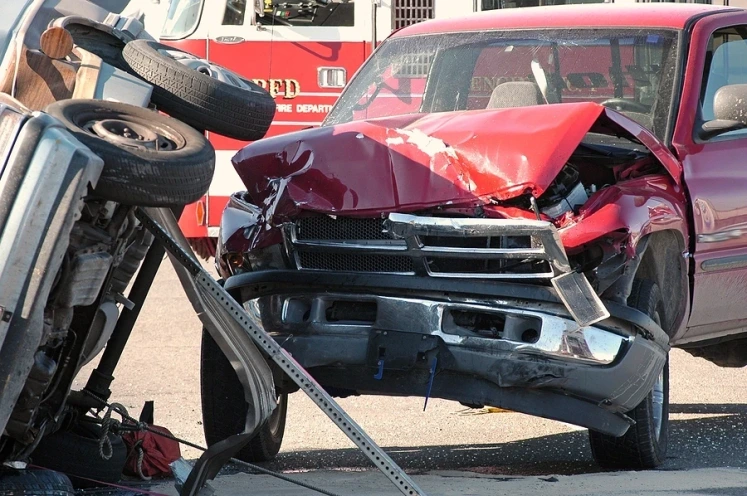
Fatal crashes leave families searching for answers. In Palm Harbor, traffic accidents that turn deadly often involve simple but dangerous choices by drivers. Speeding, distraction, fatigue, and intoxication all play a role. When negligence causes a loss of life, surviving relatives may have the right to seek accountability through a wrongful death claim.
When Everyday Driving Turns Deadly
Most drivers in Palm Harbor do not expect to cause harm. They run errands, head to work, or drive their kids to school. Yet even ordinary trips can become fatal when someone ignores safety. Fatal accidents often happen when a driver looks at a phone instead of the road, drives too fast for traffic or weather conditions, gets behind the wheel after drinking or using drugs, falls asleep while driving, or ignores traffic signs and signals.
These actions may seem small in the moment, but the outcome can be permanent. One poor decision can end a life and change many others forever. Negligence is not about evil intent. It is about failing to act with reasonable care. When a driver does not meet that basic duty, and someone dies as a result, the law allows families to pursue a wrongful death claim.
What Negligent Driving Really Means
Negligence is a legal concept based on common sense. Every driver has a duty to operate a vehicle safely, which includes following traffic laws and paying attention. To prove negligence in a fatal crash, it usually must be shown that the driver owed a duty of care, breached that duty, caused the accident through that breach, and that the accident resulted in a death.
For example, if a driver runs a red light and strikes another car, that is a clear breach of duty. If the person in the other car later dies from injuries, the chain of responsibility is established. Negligence can involve direct actions, like speeding, or inaction, like failing to brake in time. Both can be equally deadly.
Common Causes of Fatal Crashes in Palm Harbor
Palm Harbor has busy roads, residential streets, and tourist traffic. The mix increases the risk of serious accidents. Distracted driving is one of the leading causes. Phones are a major danger, whether texting, scrolling, or changing music. Even a few seconds of inattention can mean traveling the length of a football field without watching the road. Other distractions include eating, talking to passengers, or adjusting a GPS.
Speeding also contributes to many fatal crashes. Driving too fast reduces reaction time and increases the force of impact. This is particularly dangerous in residential areas or near schools. High speeds make it harder to control a vehicle, especially during rain or heavy traffic.
Driving under the influence of alcohol or drugs slows reaction time and impairs judgment. Even small amounts can make someone unsafe behind the wheel. Prescription medications can also cause drowsiness or confusion, and mixing substances only increases risk. Fatigue is another factor, as exhausted drivers may drift between lanes, miss signals, or fail to notice stopped traffic. Reckless behavior, like tailgating, aggressive lane changes, or ignoring traffic signs, shows a disregard for safety and often leads to severe collisions.
Who Can File a Wrongful Death Claim
When someone dies because of a negligent driver, Florida law allows certain family members to seek compensation through a wrongful death claim. This claim is usually filed by the personal representative of the deceased person’s estate. Those who may benefit often include the surviving spouse, children of the deceased, parents of a deceased minor or adult child in some cases, and other dependents. The claim addresses both financial and emotional losses caused by the death.
Damages in Fatal Accident Cases
No amount of money can replace a life, but compensation can help families manage the financial strain that often follows a fatal accident. Recoverable damages may include funeral and burial expenses, medical bills related to the final injury, loss of income and future earning capacity, loss of benefits such as health insurance or retirement support, and the loss of companionship, care, and guidance. Families may also recover for mental pain and suffering. Each case is different, and the amount depends on factors like age, earning potential, family role, and level of negligence involved.
How Fault Is Determined
After a fatal accident, investigators gather evidence such as police reports, witness statements, traffic camera footage, vehicle damage analysis, phone records, and toxicology results. Insurance companies also conduct their own investigations and may try to limit payments by arguing the deceased shared some fault. Florida follows a comparative fault system, meaning compensation can be reduced if the deceased is partly responsible. Strong evidence is critical, and a careful legal review can make a major difference in the outcome.
The Role of Insurance Companies
Insurance companies aim to pay as little as possible while staying within the law. After a fatal crash, they may contact the family quickly to request recorded statements, offer early settlements, or request documents. Families who are grieving may find it difficult to know how to respond. Anything said to an insurer can later be used to reduce or deny a claim, which is why legal guidance is so important to protect the family’s rights.
Time Limits to File a Claim
There is a deadline for filing wrongful death claims, called the statute of limitations. In Florida, families generally have two years from the date of death to file. If this deadline passes, the right to seek compensation may be lost forever. Acting early helps preserve evidence and protect legal rights.
Why Legal Support Matters
Fatal accident cases are complex and emotionally overwhelming. They involve legal rules, insurance negotiations, and often technical evidence. An experienced personal injury lawyer can investigate the cause of the crash, gather and preserve evidence, work with accident experienced attorneys, communicate with insurers, calculate fair damages, and manage the wrongful death claim. This allows families to focus on healing while their legal team handles the process.
Steps Families Can Take After a Fatal Crash
The days following a fatal accident are difficult, but certain steps can help protect a future claim. Families should keep all documents related to the accident, save medical bills and funeral costs, avoid detailed conversations with insurance adjusters, write down their memories of the incident, and seek legal advice before signing anything. These steps can make a significant difference later.
Remembering the Human Cost
Statistics do not show the real impact of fatal accidents. Behind every case is a family missing a parent, child, spouse, or sibling. Holidays feel different, milestones are harder, and grief does not follow a schedule. Legal action is not about revenge; it is about accountability and stability. It can also encourage safer behavior by showing that careless driving has serious consequences.
Conclusion
Palm Harbor is a close community. When a life is lost due to careless driving, the effects extend far beyond the crash scene. Families facing a fatal accident caused by negligence do not have to navigate the legal process alone. Understanding their rights is the first step toward justice. While no legal outcome can undo what happened, seeking accountability can provide answers, financial support, and a sense that the loved one’s life mattered.